
 Recommended On
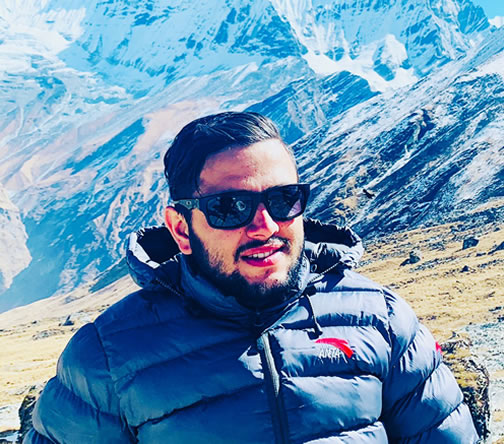
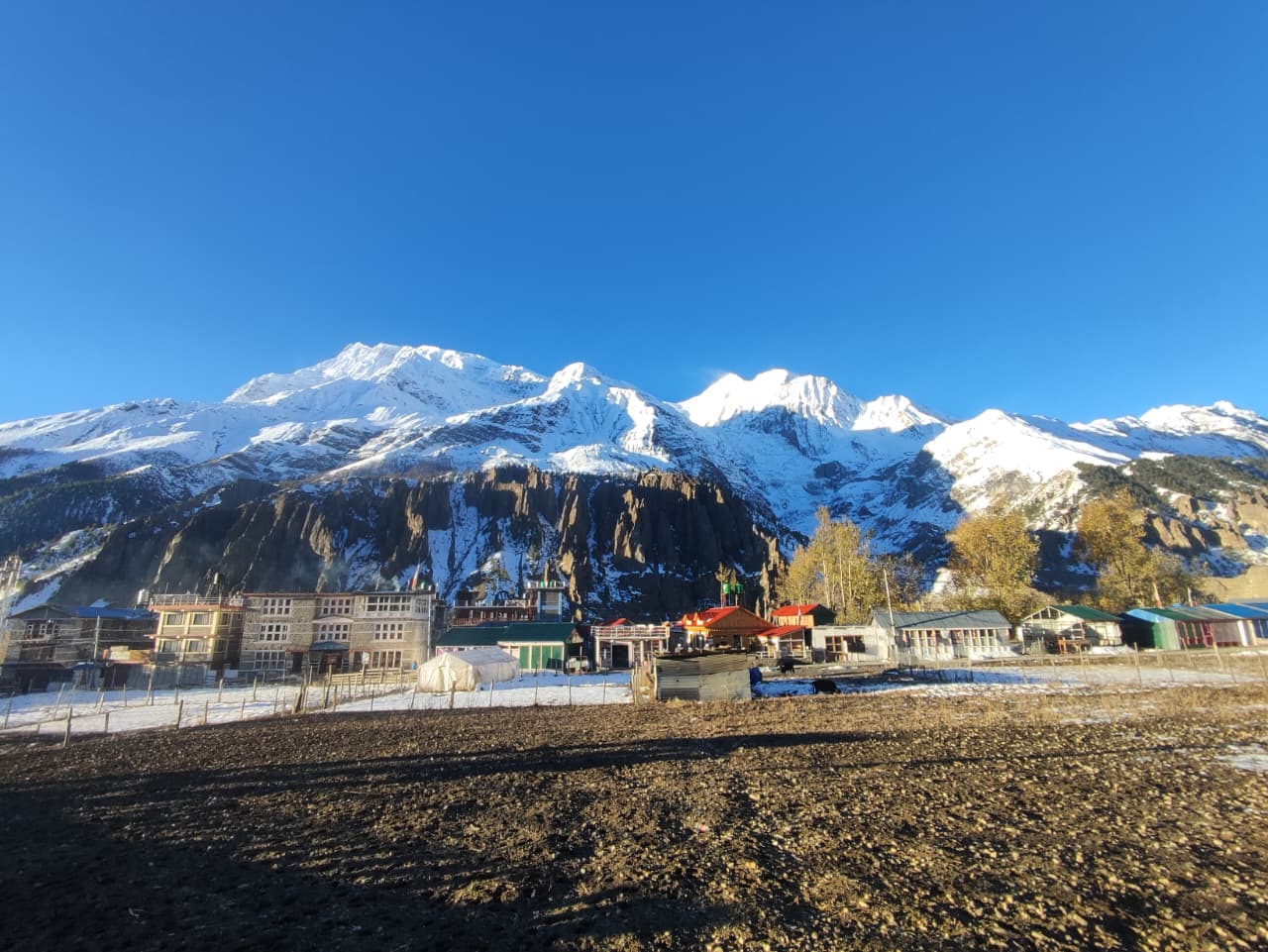
The Everest North Col Expedition reaches Camp I on Mount Everest's north face at 7,000 meters via the classic Tibetan route first attempted by George Mallory in 1922. Starting from Kathmandu, the route crosses into Tibet at the Nepal-China border, drives through the Tibetan Plateau via Tingri and the Chinese Base Camp at 5,200 meters, then climbs through the Rongbuk Glacier corridor, Middle Camp at 5,800 meters, and Advanced Base Camp (ABC) at 6,400 meters before the final push to North Col at 7,000 meters.
Graded PD (Peu Difficile) on the Alpine scale, the Everest North Col Expedition is not a full Everest summit attempt. It targets Camp I, the historical North Col, as a high-altitude training milestone. The climbing terrain involves low-angle snow slopes, fixed rope sections on the approach to North Col, and glacier travel on the East Rongbuk Glacier. Previous experience on at least one 6,000-meter peak is required before joining this expedition.
What most competitors do not tell you: unlike the Nepal south side, the north face of Everest in Tibet operates under Chinese government jurisdiction, which severely limits helicopter rescue access over the terrain. Emergency evacuation from advanced camps must route overland or via alternative protocols. This makes pre-expedition medical clearance and proper travel insurance with high-altitude ground evacuation coverage non-negotiable for North Col climbers.
World Expedition Nepal has operated Tibet expeditions since 2017 under Nepal government license, with experienced Sherpa climbing guides and expert-designed acclimatization schedules for the 39-day itinerary.
Expedition Highlights
The Everest North Col Expedition offers a combination of Himalayan climbing history, Tibetan plateau landscapes, and a genuine high-altitude training experience that the south side Everest approach cannot replicate.
You retrace the footsteps of George Mallory, who first identified and climbed to the North Col in 1922 as part of the British Mount Everest reconnaissance expedition. The same route through the East Rongbuk Glacier, past what climbers call the Magic Highway, and up to Camp I at North Col is still the primary climbing line on the north face.
The Rongbuk Glacier, one of the largest in the Himalayas at over 400 meters wide in sections, is traversed during the approach from Chinese Base Camp to Middle Camp. The views from Advanced Base Camp at 6,400 meters include the full north face of Everest above and the Tibetan Plateau stretching south. From the North Col summit at 7,000 meters, you see Cho Oyu (8,188m) to the west, Makalu (8,485m) to the east, Lhotse's south face, and Changtse (7,543m) directly across the North Ridge.
For climbers with Everest summit ambitions, North Col is the most direct preparation climb available. You learn the exact terrain of the first 7,000 meters of the Everest north ridge route in operational conditions, not in simulation.
What Is the Everest North Col?
North Col, also called Everest Camp I on the north side, is a rocky ridge at 7,000 meters connecting Everest's North Ridge to Changtse. It sits at the base of the main Everest north face and was first reached by George Mallory and his team in 1922. The col forms the natural gateway to higher camps on the north ridge.
The route from ABC to North Col gains approximately 600 meters over the col's approach face, involving fixed rope sections on steeper ground near the top. The snow slopes on the lower section are low-angled and straightforward in good conditions. The upper fixed rope section is the most technical part of the entire expedition.
The North Col is not the summit of Everest. It is Camp I. Full summit attempts from the north side require additional camps at 7,800 meters (Camp II), 8,300 meters (Camp III), and entry into the Death Zone above 8,000 meters. The World Expedition Nepal North Col package targets 7,000 meters as the maximum altitude, making it appropriate for intermediate climbers building toward a full Everest attempt in subsequent seasons.
Climbing Route Overview
Chinese Base Camp (5,200m) sits on the Tibetan Plateau at the foot of the Rongbuk Valley. The Rongbuk Monastery, the highest monastery in the world at approximately 5,000 meters, is visible from the base camp approach road.
From Chinese Base Camp, the route enters the East Rongbuk Glacier via the Magic Highway, a navigable corridor through the glacier's eastern edge. The East Rongbuk is preferred over the main Rongbuk because it provides a more direct line to ABC and avoids the more crevassed central glacier.
Middle Camp (5,800m), also called Intermediate Camp or Japanese Camp, sits on a relatively flat section of the glacier. It is a 6-hour climb from Chinese Base Camp and serves as the first high-altitude overnight on the climbing route.
Advanced Base Camp (6,400m) is positioned just below the North Col approach face. It is the primary staging area for all summit rotations and the base for the fixed rope teams that prepare the Col route each season. ABC requires 5 to 6 hours of climbing from Middle Camp.
North Col (7,000m) is reached in 4 to 6 hours from ABC on summit day, with the fixed rope headwall near the top taking 1.5 to 2 hours depending on traffic and conditions.
Detailed 39-Day Itinerary
Day 1: Arrival at Tribhuvan International Airport in Kathmandu (1,345 m). Transfer to the hotel
Kathmandu, the vibrant capital city of Nepal, welcomes you with a unique blend of ancient traditions, spiritual energy, and modern city life. As the gateway to the Himalayas, it serves as the starting point for your Everest North Col Expedition.
Upon arrival at Tribhuvan International Airport, you will complete immigration and visa formalities before exiting the terminal. Depending on your travel documentation, you may obtain a visa on arrival or present pre-approved documents arranged prior to your expedition.
After collecting your luggage, you will be greeted by a representative from World Expedition Nepal holding a name sign for easy identification. You will then be transferred by private vehicle to your hotel in Thamel or a nearby tourist district, a journey of approximately 20-30 minutes depending on traffic conditions.
After hotel check-in, you can rest and recover from your international flight or explore the nearby streets filled with trekking shops, cafés, and cultural landmarks. In the evening, a welcome dinner will be hosted by the expedition team. During this briefing session, your guide will introduce the full 39-day itinerary, outline the expedition structure, and explain equipment preparation and permit processes.
Overnight stay in Kathmandu.
Food: Dinner
Accommodation: Hotel
Elevation: 1,345 m
Day 2: Permit processing, preparation, briefing, and gear check (1,345 m)
Today is dedicated to essential expedition preparation, documentation, and safety readiness before entering Tibet.
In the morning, your expedition team will begin permit coordination for both Nepal and China. This includes submission of passport copies and official documents required for the Tibet Travel Permit and Mountaineering Permit through Chinese authorities, along with Nepal government climbing permissions.
At the same time, a full technical gear inspection will be conducted by your climbing guide. Equipment such as crampons, ice axes, harnesses, boots, helmets, down suits, and layered clothing systems will be carefully checked for safety and compliance with high-altitude requirements.
If any gear is missing or needs replacement, you will have the opportunity to purchase or rent equipment in Thamel, Kathmandu’s main trekking hub.
In the afternoon, a detailed expedition briefing will take place. This includes:
-
Route overview from Kathmandu to North Col (7,000 m)
-
Acclimatization strategy
-
Camp structure and elevation progression
-
Emergency response procedures
-
Communication and group coordination
The rest of the day is used for rest, final packing, and mental preparation for departure toward Tibet.
Overnight stay in Kathmandu.
Food: Breakfast
Accommodation: Hotel
Elevation: 1,345 m
Day 3: Drive from Kathmandu to Zhangmu (Nepal-Tibet Border) (2,300 m)
Early morning departure from Kathmandu begins your overland journey toward Tibet. The drive follows the scenic Prithvi Highway, passing through river valleys, terraced hills, and small roadside settlements.
The route gradually follows the Bhotekoshi River, entering increasingly narrow valleys as you approach the Nepal-China border at Kodari. Here, immigration and customs formalities are completed before crossing the Friendship Bridge into Tibet.
Once inside the Chinese side, the landscape changes dramatically. Steep green hills transition into dry alpine terrain as you ascend toward Zhangmu, a historic border town located at approximately 2,300 meters.
The road is steep, winding, and carved into cliffs, offering dramatic views of waterfalls, deep gorges, and mountain ridges. Upon arrival in Zhangmu, you check into a local hotel and rest after the border crossing journey.
Overnight stay in Zhangmu.
Food: Full board meals
Accommodation: Lodge/Hotel
Elevation: 2,300 m
Day 4: Drive from Zhangmu to Tingri (4,300 m)
Today’s journey takes you deep into the Tibetan Plateau, crossing one of the most dramatic altitude gains of the expedition.
Leaving Zhangmu, the road climbs sharply through dense mountain terrain toward Lalung La Pass (5,050 m). This section includes steep switchbacks, narrow roads, and breathtaking views of the surrounding Himalayan ranges.
At the pass, you stop briefly to absorb panoramic views of the Tibetan landscape before descending toward Nyalam (3,750 m), a small settlement used as a lunch stop and short rest point.
Afterward, the drive continues across the vast Tibetan Plateau, where open landscapes replace forested hills. Eventually, you arrive at Tingri (4,300 m), a high-altitude town that serves as a key acclimatization stop for Everest expeditions.
Overnight stay in Tingri.
Food: Full board meals
Accommodation: Lodge
Elevation: 4,300 m
Day 5: Acclimatization day in Tingri (4,300 m)
This is a critical acclimatization day designed to prepare your body for higher elevations ahead.
After breakfast, you will undertake a short acclimatization hike to higher ground above Tingri, reaching approximately 4,600-4,700 meters before returning to sleep at a lower elevation. This climb-high, sleep-low method improves oxygen adaptation and reduces altitude sickness risk.
The rest of the day is spent resting, hydrating, and observing your body’s response to altitude. Your guide will monitor oxygen levels and ensure proper adjustment.
Light exploration around Tingri may include monastery visits and viewing surrounding Himalayan peaks, including Cho Oyu on clear days.
Overnight stay in Tingri.
Food: Full board meals
Accommodation: Lodge
Elevation: 4,300 m
Day 6: Drive to Chinese Base Camp (5,200 m)
Today, you leave Tingri and continue deeper into the Everest region of Tibet.
The drive crosses vast barren landscapes of the Tibetan Plateau, with increasing views of snow-capped peaks as you approach Rongbuk Valley. The first sight of Mount Everest’s north face appears dramatically on the horizon.
Chinese Base Camp is located at 5,200 meters near the Rongbuk Glacier. Upon arrival, expedition tents are set up, and your high-altitude base camp life begins.
The environment is cold, dry, and extremely high in elevation, marking a major milestone in the expedition.
Overnight stay at Base Camp.
Food: Full board meals
Accommodation: Tented camp
Elevation: 5,200 m
Day 7: Rest and acclimatization at Chinese Base Camp (5,200 m)
This rest day is essential for adaptation to extreme altitude conditions.
You will take short walks around base camp and possibly visit nearby viewpoints for acclimatization stimulation. Oxygen levels are monitored twice daily.
The expedition team conducts training refreshers on rope techniques, safety procedures, and glacier navigation. Equipment checks are also repeated at this stage.
Meals are high-calorie and carefully prepared to support altitude adaptation.
Overnight stay at Base Camp.
Food: Full board meals
Accommodation: Tented camp
Elevation: 5,200 m
Day 8: Chinese Base Camp to Middle Camp (5,800 m)
Today, you enter the Rongbuk Glacier system, beginning the real climbing section of the expedition.
The route passes through the “Magic Highway,” a glacier corridor that allows access through crevassed terrain. Depending on conditions, fixed ropes and ladder crossings may be used.
The climb is gradual but physically demanding due to the altitude. After approximately 6 hours, you reach Middle Camp at 5,800 meters, located on a moraine plateau.
Overnight stay in a tented camp.
Food: Full board meals
Accommodation: Tented camp
Elevation: 5,800 m
Day 9: Middle Camp to Advanced Base Camp (6,400 m)
The route continues through the upper Rongbuk Glacier toward Everest’s north face.
The terrain becomes more rocky and exposed as you approach Advanced Base Camp (ABC). The air is noticeably thinner, requiring slow and steady pacing.
ABC is located at 6,400 meters and serves as the primary climbing hub for rotations to North Col.
Upon arrival, tents are set up, and expedition logistics are established for the climbing phase.
Overnight stay at ABC.
Food: Full board meals
Accommodation: Tented camp
Elevation: 6,400 m
Days 10-30: Climbing Period (ABC to North Col)
This is the main climbing phase of the expedition.
During this period, climbers follow structured rotations between ABC and North Col. The objective is acclimatization, load carrying, and technical preparation for reaching 7,000 meters.
The schedule includes:
-
Load carry rotations
-
Acclimatization climbs
-
Rest and recovery phases
-
Weather window monitoring
-
Final ascent to North Col (7,000 m)
Fixed ropes are used on steeper sections, especially near the final headwall. Climbers may also spend nights at higher camps depending on the rotation strategy.
This phase is physically and mentally demanding due to altitude exposure and long expedition duration.
Overnight stays alternate between tented camps at ABC and higher camps.
Food: Full board meals
Accommodation: Tented camp
Elevation: 6,400-7,000 m
Day 31: Rest and final preparations at Advanced Base Camp (6,400 m)
After completing the main climbing rotations and summit push phase, today is dedicated entirely to recovery, stabilization, and final expedition closure at Advanced Base Camp (ABC).
The morning begins slowly at 6,400 meters, where your body is still recovering from repeated exposure to extreme altitude and long climbing days. Climbers typically wake later than usual, as the expedition pace shifts from physical effort to controlled recovery.
Breakfast is taken in the communal dining tent, followed by a detailed health assessment conducted by the expedition leader and support team. Oxygen saturation levels are checked, hydration status is reviewed, and overall fatigue levels are evaluated to ensure safe recovery after high-altitude exposure.
The rest of the day is focused on dismantling climbing logistics. Fixed ropes used during rotations to North Col are inventoried, climbing equipment is sorted, and group gear such as tents, ropes, oxygen systems (if used), and cooking equipment is prepared for descent.
Expedition debriefing sessions are also conducted. The guide reviews the entire climbing phase, discusses key challenges faced at North Col, and evaluates team performance under extreme altitude conditions. Climbers are encouraged to share personal reflections on their experience at 7,000 meters.
Short walks around ABC are allowed to maintain circulation, but no strenuous activity is undertaken. The environment remains harsh, with cold winds and thin oxygen still dominating daily life.
Evening is calm and reflective, marking the transition from climbing mode to descent preparation mode.
Overnight stay at Advanced Base Camp.
Food: Full board meals
Accommodation: Tented camp
Elevation: 6,400 m
Days 32-33: Contingency summit window / final operational flexibility period
These two days serve as critical buffer days in the expedition structure, designed for operational flexibility based on weather conditions, health recovery, or delayed summit execution.
If the primary summit push was successful, these days are used for full rest, equipment packing, and gradual demobilization of higher camp systems.
However, if weather delays or wind conditions prevent summit access earlier, this period is activated as an additional summit window. In that case, climbers may reattempt the North Col ascent using the same fixed rope route and acclimatization profile established during earlier rotations.
Morning routines begin with weather analysis from updated forecasts provided by the Himalayan meteorological services. The expedition leader assesses wind speeds, snow stability, and visibility conditions before confirming any movement plans.
If climbing is initiated, teams follow the standard ascent route from ABC toward North Col, maintaining strict pacing due to residual fatigue from earlier rotations.
If not used for climbing, these days focus on complete recovery:
-
Sleep recovery at ABC
-
Rehydration and caloric restoration
-
Gear drying and repacking
-
Final medical checks
-
Team coordination for descent logistics
Evening discussions focus on expedition outcome evaluation and planning for the descent phase transition.
Overnight stay at ABC.
Food: Full board meals
Accommodation: Tented camp
Elevation: 6,400 m
Days 34-35: High-altitude descent preparation and environmental clearance phase
These two days mark the beginning of full expedition closure operations at Advanced Base Camp.
The main objective is safe dismantling of the entire high-altitude infrastructure while ensuring environmental responsibility in accordance with leave-no-trace principles.
Morning begins with a systematic breakdown of individual tents, kitchen areas, storage units, and communication setups. Equipment is carefully sorted into:
-
Returnable expedition gear
-
Personal climbing equipment
-
Waste and removal materials
Glacier and camp areas are checked thoroughly to ensure no waste or fixed materials remain on the site.
Climbers also undergo final physical recovery sessions, including light mobility exercises and short walks on moraine terrain to stabilize circulation after extended high-altitude exposure.
Expedition leadership conducts final group briefings covering descent safety, border return logistics, and travel coordination back to Nepal.
Weather monitoring continues, but climbing activity is fully concluded. Emotional tone often shifts here, as climbers begin to mentally detach from the mountain environment after weeks at extreme altitude.
Overnight stay at ABC.
Food: Full board meals
Accommodation: Tented camp
Elevation: 6,400 m
Day 36: Drive from Chinese Base Camp to Gyirong (2,700 m)
The descent journey begins with departure from the Everest region after final camp clearance.
The drive from Chinese Base Camp covers vast sections of the Tibetan Plateau, retracing the route through Tingri and surrounding highland valleys. As altitude gradually decreases, climbers begin to feel a noticeable increase in oxygen availability, energy recovery, and physical comfort.
The road passes through open plateau landscapes, mountain passes, and small Tibetan settlements before descending toward Gyirong, a border town located at 2,700 meters.
The contrast in air pressure is immediately noticeable. After weeks above 5,000–6,000 meters, breathing becomes significantly easier.
Upon arrival in Gyirong, climbers check into a hotel with proper beds, hot showers, and stable oxygen conditions for full recovery.
Evening is relaxed, often spent resting or sharing expedition reflections.
Overnight stay in Gyirong.
Food: Full board meals
Accommodation: Hotel
Elevation: 2,700 m
Day 37: Drive from Gyirong to Kathmandu (1,345 m)
Today marks the final cross-border return journey from Tibet back into Nepal.
After an early breakfast, the drive begins toward the Nepal–China border checkpoint. Immigration formalities are completed before re-entering Nepal.
The route descends through lush green hills, river valleys, and terraced landscapes, creating a dramatic visual shift from the barren Tibetan Plateau to the fertile Himalayan foothills of Nepal.
As the vehicle approaches Kathmandu, urban density increases, and the Himalayan expedition atmosphere slowly transitions back into city life.
Upon arrival in Kathmandu, climbers check into their hotel and begin rest and recovery after the long expedition cycle.
This evening is typically free for relaxation, personal time, or light exploration around Thamel.
Overnight stay in Kathmandu.
Food: Full board meals
Accommodation: Hotel
Elevation: 1,345 m
Day 38: Kathmandu exploration, recovery, and farewell ceremony
This final full day in Kathmandu is designed for relaxation, recovery, and cultural closure after the expedition.
After weeks at extreme altitude, the body requires full readjustment to sea-level oxygen conditions. Most climbers spend the morning resting, hydrating, and slowly recovering strength.
Later, optional sightseeing activities are arranged, including visits to:
-
Boudhanath Stupa
-
Pashupatinath Temple
-
Kathmandu Durbar Square
In the evening, World Expedition Nepal hosts a formal farewell dinner. This includes traditional Nepali cuisine, cultural performances, and certificate distribution for climbers who reached North Col (7,000 m).
The atmosphere is emotional, combining achievement celebration with farewell moments among team members, guides, and Sherpas.
Overnight stay in Kathmandu.
Food: Breakfast + Farewell Dinner
Accommodation: Hotel
Elevation: 1,345 m
Day 39: Final departure from Kathmandu
After breakfast, climbers prepare for the final international departure.
Airport transfer is arranged approximately 3 hours before flight time. The drive from the hotel to Tribhuvan International Airport takes around 20–30 minutes, depending on traffic conditions.
At the airport, you complete final check-in, immigration, and security procedures before boarding your international flight.
This marks the official end of the Everest North Col Expedition (7,000 m), concluding a 39-day high-altitude journey through Tibet and the Everest north face region.
Food: Breakfast
Accommodation: End of service
Elevation: 1,345 m
Difficulty Level and Fitness Requirements
The Everest North Col Expedition is graded PD (Peu Difficile) on the Alpine grading system. PD indicates a moderately difficult climb requiring basic mountaineering competence but not expert technical skill. The critical detail: PD at 7,000 meters on Mount Everest's north face is not the same difficulty as PD at 4,000 meters in the Alps. The altitude amplifies everything.
Technical sections: Fixed rope ascending with jumar from 6,700 meters to the North Col, low-angle snow slope navigation, and East Rongbuk Glacier crevasse crossing with ladders at key points.
Physical requirements: Previous summit of at least one 6,000-meter peak is mandatory. Cardiovascular fitness for sustained 6 to 7-hour days at high altitude is essential. Blood pressure and oxygen tolerance should be medically assessed before booking. Strength training focusing on legs and core, combined with sustained aerobic conditioning for 8 to 12 weeks before departure, is the recommended preparation.
What the Chinese-side approach adds: Unlike the Nepal south side, emergency helicopter access is severely limited over Tibet due to Chinese government aviation restrictions. This means that evacuation in an emergency from ABC or above requires overland extraction to the Chinese Base Camp before any helicopter involvement. Build your insurance policy around this reality.
Best Time for the Everest North Col Expedition
Spring (March to May): The primary climbing season on Everest's north side. The jet stream shifts north of Everest's summit in May, opening stable summit windows. April is the most reliable month for ABC and North Col weather stability. The pre-dawn temperature at North Col in April averages -20°C to -25°C.
Autumn (September to November): The secondary season. Post-monsoon clarity produces the best visibility from North Col, with views of Cho Oyu, Makalu, and the Tibetan Plateau extending for hundreds of kilometers in clear conditions. October is the most reliable autumn month.
Winter and monsoon: Not suitable. Winter temperatures at North Col drop below -30°C with extreme wind. The monsoon brings heavy snowfall and unstable conditions on the glacier approach.
Permits Required
The Everest North Col Expedition requires a dual-permit structure reflecting both Nepal's role as the organizing country and China's jurisdiction over the Tibet Autonomous Region.
|
Permit |
Issuing Authority |
Notes |
|
Tibet Travel Permit |
China Tibet Tourism Bureau |
Required for all foreign nationals entering Tibet |
|
Tibet Mountaineering Permit |
China Tibet Mountaineering Association |
Specific to the North Col expedition |
|
TIMS Card |
Nepal Tourism Board |
Processed in Kathmandu before departure |
|
Nepal Government Climbing Permit |
Department of Tourism Nepal |
For Nepali Sherpa and guide staff |
All permits are arranged by World Expedition Nepal before the expedition departure date. Your original passport is required for permit submission and is kept with the expedition leader during the Tibet travel sections.
Cost Includes and Excludes
Includes:
-
Airport pickup and drop-off in Kathmandu
-
3-night hotel accommodation in Kathmandu, including breakfast
-
All trekking lodge, tea house, and tented camp accommodation during the expedition
-
Full board meals throughout (breakfast, lunch, dinner with tea and coffee)
-
Government-licensed high-altitude Sherpa climbing guide for the full expedition period
-
All climbing and trekking permits, including Tibet permits
-
Strong Sherpa porters with full equipment, insurance, salary, and food (one porter per two members)
-
First aid medical kits for the group and staff
-
Sleeping bag, down jacket, duffel bag, and walking poles available for use if not personally owned (returned after trip)
-
Helicopter rescue insurance for all Nepalese high-altitude staff
-
Trekking and climbing maps
-
Oxygen saturation monitoring (pulse oximeter readings twice daily)
-
Weather forecast service from Meteotest, Bern, Switzerland, during the climbing period
-
Government taxes and service charges
-
Farewell dinner at a typical Nepali restaurant with cultural show
Excludes:
-
International airfare
-
Nepal visa fee (available on arrival at Tribhuvan International Airport, USD 25 for 15 days)
-
Lunch and dinner during Kathmandu stays (except farewell dinner)
-
Snacks, mineral water, energy drinks, soft drinks, alcohol, and personally packed food
-
Personal laundry, tips, shopping, and phone calls
-
Rescue, repatriation, medicines, medical tests, and hospitalization expenses
-
Travel insurance and personal helicopter rescue coverage
-
Personal climbing gear
-
Tips for guides, porters, and drivers (tipping is expected and appreciated)
Why Choose World Expedition Nepal
World Expedition Nepal has operated high-altitude expeditions since 2017, licensed and registered under the Nepal Government. Our Sherpa climbing guides hold government licenses with certified expertise in mountain medicine, first aid, and high-altitude rescue operations.
For Tibet expeditions specifically, our in-country logistics coordination with Chinese Base Camp support teams and Tibet permit agencies gives our groups faster permit processing and better-managed camp infrastructure than smaller operators arranging Tibet access independently.
Our 39-day schedule is expert-designed with mandatory acclimatization days at every critical altitude threshold: Tingri (4,300m), Chinese Base Camp (5,200m), Middle Camp (5,800m), and ABC (6,400m) before North Col. We do not compress the schedule to reduce costs. Every acclimatization day exists because altitude-related emergencies are preventable, and prevention is our primary obligation to every client.
Contact World Expedition Nepal to confirm 2026 spring and autumn availability and to discuss group or private charter expedition options.
Frequently Asked Questions About Everest North Col Expedition
What is the Everest North Col Expedition difficulty level?
It is graded PD (moderate) but extremely demanding due to the 7,000 m altitude. Requires glacier travel, rope skills, and prior 6,000 m peak experience for safe participation.
How high is Everest North Col?
Everest North Col sits at approximately 7,000 meters on the north ridge between Everest and Changtse, forming Camp I on the classic Tibetan climbing route.
Do I need prior climbing experience?
Yes. Climbers must have at least one successful 6,000 m peak experience, along with basic rope handling, crampon use, and high-altitude endurance training, before joining the expedition.
What permits are required?
You need a Tibet Travel Permit, a Tibet Mountaineering Permit, a TIMS card, and Nepal government climbing permits. All documents are arranged by World Expedition Nepal before departure.
How cold is North Col?
Temperatures at 7,000 m typically range between -20°C to -30°C during climbing season, with strong winds increasing wind chill significantly, requiring full high-altitude protection gear
