
 Recommended On
Mera Peak Climbing Complete Information
Mera Peak is one of the popular trekking peaks located in the Everest region of Nepal. Standing at an impressive altitude of 6,476 meters (21,247 feet), it offers a challenging yet rewarding climbing experience for adventure enthusiasts.
Here is a comprehensive guide to Mera Peak climbing, covering various aspects of the expedition:
Mera Peak Climbing Location and Accessibility:
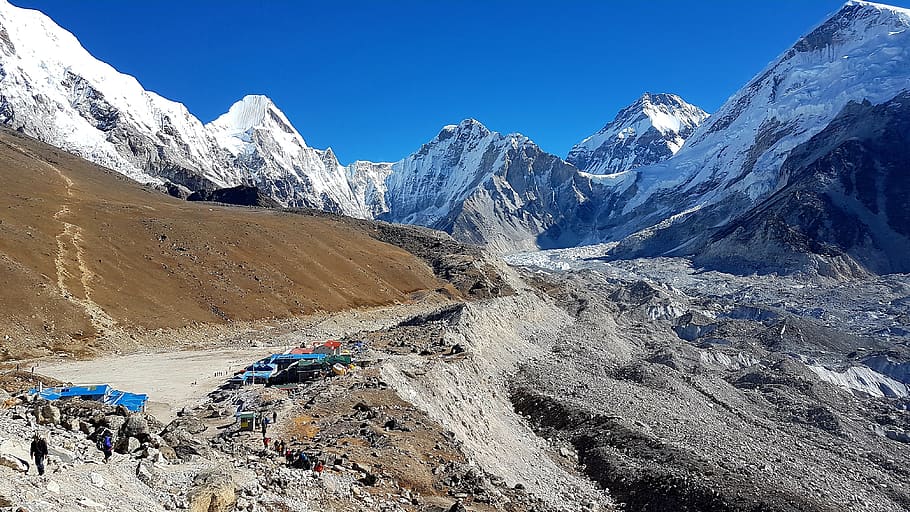
Mera Peak is situated in the Solu Khumbu region of Nepal, northeast of the Everest region. The journey typically begins with a scenic flight from Kathmandu to Lukla, followed by a trek through picturesque landscapes, Sherpa villages, and rhododendron forests to reach the Mera Peak base camp.
Mera Peak Climbing Best Seasons:
The best seasons for Mera Peak climbing are generally spring (March to May) and autumn (September to November). During these periods, the weather conditions are generally stable, with clear skies and favorable climbing conditions. However, with proper preparation and the guidance of experienced crews, Mera Peak can be climbed throughout the year.
Mera Peak Climbing Difficulty:
Mera Peak is considered a technically straightforward climb, suitable for climbers with prior trekking experience and a good level of fitness. While no prior mountaineering experience is required, basic mountaineering skills like using crampons and ice axes are beneficial. The ascent involves traversing glaciers, steep slopes, and occasional crevasses. The challenging part is coping with the altitude, as climbers reach above 6,000 meters.
Mera Peak Climbing Permits and Regulations:
To climb Mera Peak, climbers need to obtain a climbing permit from the Nepal Mountaineering Association (NMA). Additionally, a Trekkers' Information Management System (TIMS) card and a Makalu Barun National Park permit are also required. It is advisable to go through a recognized trekking agency that can assist in obtaining the necessary permits and ensure compliance with the regulations.
Mera Peak Climbing Itinerary and Acclimatization:
A typical Mera Peak climbing itinerary spans around 16 days, including acclimatization days to adjust to the altitude. The itinerary usually includes several trekking days to reach the base camp, acclimatization hikes, and a summit day. Adequate acclimatization is essential to minimize the risk of altitude-related illnesses.
Mera Peak Climbing Equipment and Gear:
Climbers must be equipped with the appropriate gear for Mera Peak climbing. This includes mountaineering boots, crampons, ice axes, harness, helmet, down jacket, sleeping bag, and other essential clothing and equipment. It is advisable to consult with a trekking agency or experienced climbers to ensure you have the necessary gear for a safe and comfortable climb.
Mera Peak Climbing Safety and Guides:
Safety should be the utmost priority during Mera Peak climbing. It is highly recommended to climb with experienced guides who have extensive knowledge of the region, mountaineering techniques, and high-altitude safety. They can provide guidance, manage logistics, and ensure climbers' well-being throughout the expedition.
Physical Fitness and Training for Mera Peak Climbing:
Mera Peak climbing requires a good level of physical fitness. Prior preparation through cardiovascular exercises, strength training, and endurance-building activities is recommended. It is advisable to consult with a healthcare professional and a qualified fitness trainer before undertaking the climb.
Accommodation and Facilities for Mera Peak Climbing:
During the trek and at the base camp, accommodation options include teahouses, lodges, and camping. Teahouses provide basic facilities such as meals, a place to rest, and limited amenities. At the base camp, climbers usually stay in tents.
Cultural and Scenic Highlights in Mera Peak Routes:
Apart from the climbing experience, Mera Peak trek offers stunning views of snow-capped mountains, including Everest, Lhotse, Makalu, and Kanchenjunga. The region is also rich in Sherpa culture, Buddhist monasteries, and traditional villages, providing a unique cultural experience along the way.
Mera Peak climbing is a challenging and rewarding adventure that allows climbers to witness breathtaking Himalayan vistas and push their limits. It is crucial to plan and prepare adequately, seek guidance from experienced crews, and prioritize safety throughout the journey. With the right mindset, proper training, and the support of experienced guides, Mera Peak can be conquered, leaving you with lifelong memories of this exhilarating adventure in the heart of the Himalayas.
