
 Recommended On
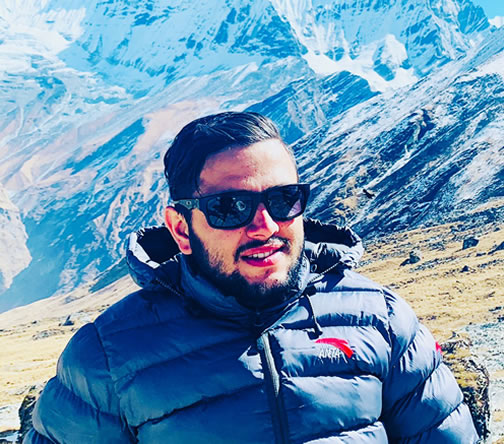
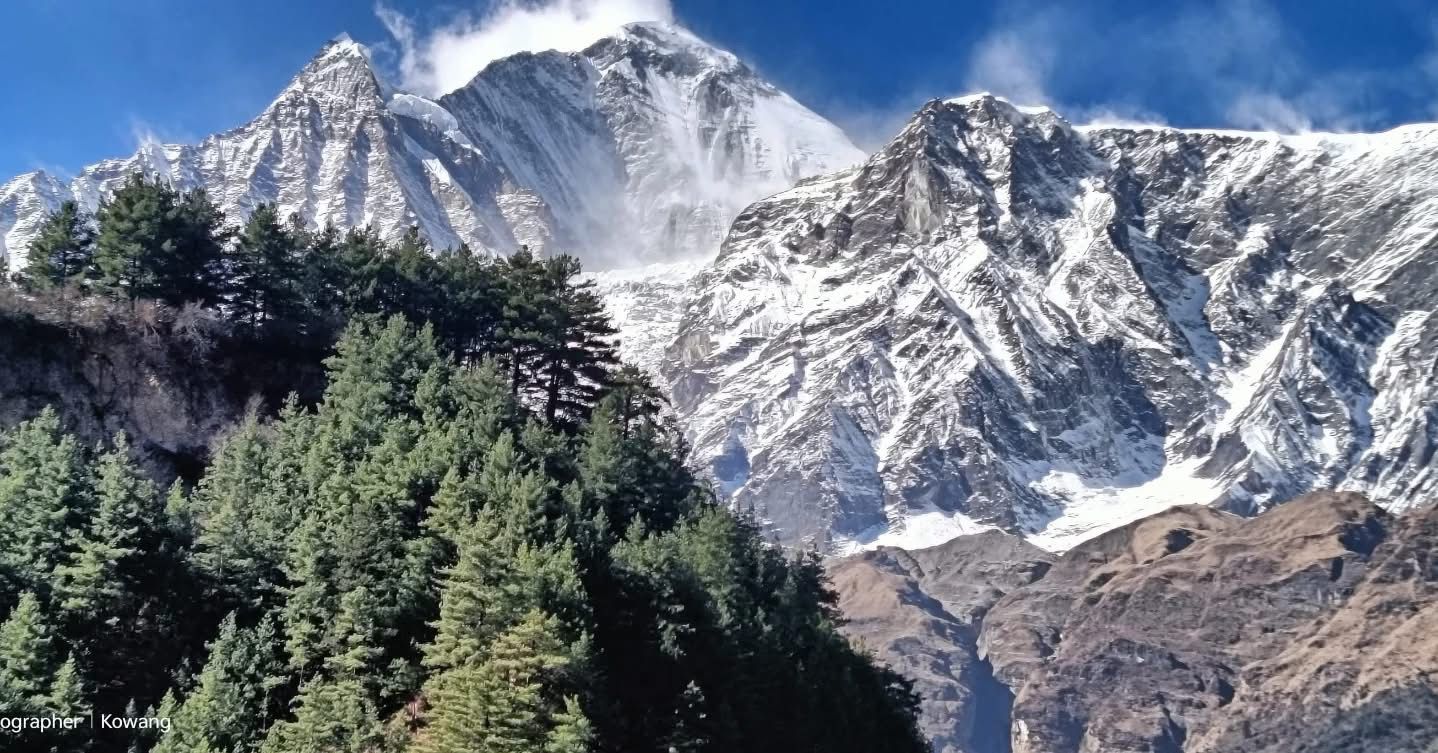
The Mardi Himal Trek has become one of the most popular beginner trekking routes in Nepal because it offers shorter trekking duration, moderate altitude, and close Himalayan views without the logistical complexity of Everest Base Camp or Manaslu. Located in the Annapurna region near Pokhara beneath Machhapuchhre, the route combines tea house trekking, forest trails, ridge walks, and accessible mountain scenery within a manageable itinerary.
Although the Mardi Himal Trek for beginners is considered easier than many Himalayan trekking routes, trekkers still need to prepare for uphill trekking, altitude gain, cold mornings, and changing mountain weather. At World Expedition Nepal, our local guides regularly lead beginners, solo travelers, and families on the route while helping trekkers manage pacing, acclimatization, weather exposure, and trekking preparation realistically.
This guide explains Mardi Himal Trek difficulty, fitness level, altitude, tea houses, trail conditions, packing preparation, and beginner trekking tips using practical local trekking experience.
What Is the Mardi Himal Trek?
Mardi Himal Trek for beginners is considered one of Nepal’s best beginner-friendly Himalayan treks because it combines manageable altitude, shorter trekking duration, tea house infrastructure, and impressive mountain scenery without requiring technical trekking experience.
Where is the Mardi Himal Trek located?
The Mardi Himal Trek is located in the Annapurna region near Pokhara, and below Machhapuchhre, also known as Fishtail Mountain. The route passes through forests, ridge trails, mountain villages, and tea houses before reaching Mardi Himal Base Camp. Compared to longer Himalayan trekking routes, Mardi Himal remains relatively accessible while still offering dramatic Himalayan views and real tea house trekking experiences.
How long is the Mardi Himal Trek?
Most Mardi Himal Trek itineraries take four to six days, depending on trekking pace and overnight stops. Daily trekking hours usually range between four and seven hours, depending on elevation gain and trail conditions. Slower pacing generally creates a safer and more comfortable experience for beginner trekkers adapting to altitude.
Why Mardi Himal is popular among beginners
Mardi Himal Trek for beginners is popular because it combines moderate trekking difficulty, manageable altitude, scenic ridge trails, and shorter trekking duration. Compared to Annapurna Base Camp, the route feels quieter and logistically simpler while still offering rewarding Himalayan trekking experiences.
Is the Mardi Himal Trek Good for Beginners?
Yes, Mardi Himal Trek is beginner-friendly because it offers moderate trekking difficulty, shorter daily walking hours, and a manageable altitude compared to longer Himalayan trekking routes.
Why Mardi Himal is popular with first-time trekkers
Many first-time trekkers choose Mardi Himal because the route introduces them to Himalayan trekking without requiring advanced mountaineering skills or long expeditions. The trekking pace remains manageable for active travelers with basic fitness preparation. Guides from World Expedition Nepal often recommend this route for beginners wanting mountain scenery and tea house trekking within a shorter itinerary.
What makes Mardi Himal easier than many high-altitude treks
Compared to the Everest Base Camp trek, Mardi Himal involves shorter exposure to high altitude and fewer long trekking days. The route also begins near Pokhara, making transportation and logistics simpler for beginner trekkers. Although uphill trekking near High Camp becomes physically demanding, the overall trek remains more approachable than many advanced Himalayan routes.
What type of beginner can complete Mardi Himal comfortably?
Most active travelers with reasonable endurance can complete Mardi Himal comfortably with proper trekking preparation and pacing. Families, solo travelers, first-time hikers, and older trekkers often manage the route successfully when allowing enough recovery time during the trek.
Is previous trekking experience necessary?
No technical climbing skills or previous trekking experience are necessary for the Mardi Himal Trek for beginners. However, trekkers should still prepare for uphill trekking, altitude changes, and mountain weather. Walking, hiking, and stair climbing before arriving in Nepal help beginners adapt more comfortably during consecutive trekking days.
Who is the Mardi Himal Trek best suited for?
The route suits beginner trekkers looking for shorter Himalayan adventures with rewarding scenery and moderate trekking difficulty. It works especially well for travelers with limited trekking time who still want to experience tea house trekking and Himalayan mountain culture.
How Difficult Is the Mardi Himal Trek for Beginners?
The Mardi Himal Trek is considered moderately difficult for beginners because of uphill mountain trails, altitude gain, and consecutive trekking days rather than technical climbing difficulty.
Daily walking hours and trekking pace
Most trekking days involve four to seven hours of walking, depending on trail conditions and elevation gain. Ridge climbs near High Camp become steeper and more physically tiring. Trekking pace matters more than speed because beginners who rush often become exhausted earlier in the day.
Trail steepness and uphill sections
The route includes forest trails, stone staircases, ridge walks, and steep uphill trekking sections near higher elevations. Trekking poles and proper trekking boots help beginners manage uphill trekking and downhill descents more safely throughout the route.
Altitude challenges beginners should expect
Mardi Himal Trek altitude gradually increases above 3,000 meters, especially near High Camp and Mardi Himal Base Camp. Beginners may notice a slower walking pace, fatigue, and reduced recovery speed at higher elevations. Hydration and acclimatization become important for reducing altitude sickness risks.
Physical and mental endurance required
The trek requires moderate endurance because trekkers walk several consecutive days on mountain terrain with elevation gain and changing weather. Mental endurance also matters because cold mornings and uphill trekking can feel tiring for first-time trekkers.
Mental vs physical trekking difficulty
For many beginners, the mental side of trekking becomes just as important as physical fitness. Guides from World Expedition Nepal regularly remind trekkers that Himalayan trekking rewards patience, gradual pacing, and recovery rather than speed.
What Is the Hardest Part of the Mardi Himal Trek?
The hardest part of the Mardi Himal Trek is usually the final climb toward Mardi Himal Base Camp, where steep uphill trails, colder temperatures, stronger winds, and thinner air make trekking noticeably more demanding. Beginners often find altitude adjustment and long downhill descents more tiring than expected, especially near High Camp.
Final ascent to Mardi Himal Base Camp
The climb toward Mardi Himal Base Camp is usually the most demanding part of the trek. The trail becomes steeper, temperatures feel colder, and thinner air slows trekking pace significantly. Although the route is not technical, beginners often underestimate how tiring the final ascent feels.
Altitude adjustment for beginners
Many trekkers first notice significant altitude effects above 3,000 meters near High Camp. Walking pace naturally becomes slower as oxygen levels decrease. Guides from World Expedition Nepal regularly monitor hydration and trekking pace because proper acclimatization reduces unnecessary altitude problems.
Long downhill descents
Descending from higher elevations can feel surprisingly difficult because downhill trekking places pressure on knees and leg muscles. Trekking poles and proper trekking boots help reduce strain during steep descents.
Cold mornings and weather near High Camp
High Camp experiences colder temperatures, stronger winds, and greater weather exposure compared to lower sections of the trek. Proper layering system preparation becomes important because mountain weather changes quickly at higher altitudes.
How Fit Do You Need to Be for the Mardi Himal Trek?
Most beginners can complete the Mardi Himal Trek successfully with basic fitness preparation, steady pacing, and the ability to walk for several consecutive days on uphill mountain terrain.
Can an average person do the Mardi Himal Trek?
Yes. Many average travelers complete the trek successfully every year without previous trekking experience. The most important requirement is steady endurance rather than advanced athletic ability.
Recommended fitness level for beginners
Moderate cardiovascular endurance is usually enough for the Mardi Himal Trek for beginners. Regular walking, hiking, and stair climbing improve comfort significantly during consecutive trekking days.
Cardiovascular endurance and stamina requirements
Cardiovascular endurance matters because altitude and elevation gain place additional pressure on breathing and recovery. Trekkers who improve their stamina before arriving in Nepal generally adapt more comfortably during uphill trekking.
Best training before the trek
Walking, hiking, stair climbing, and light cardio training are some of the best ways to prepare for the trek. Carrying a small backpack during practice hikes also helps the body adjust to trekking movement.
How many weeks should beginners train?
Most beginner trekkers benefit from four to eight weeks of preparation before starting the Mardi Himal route. Gradual training improves endurance and recovery significantly.
Why slow pacing matters more than speed
Slow pacing allows the body to acclimatize safely and conserve energy over multiple trekking days. Fast uphill trekking often leads to exhaustion and altitude discomfort later in the route.
What type of fitness matters most?
Endurance, recovery ability, and consistent energy levels matter more than athletic performance for the Mardi Himal Trek difficulty.
What Altitude Challenges Should Beginners Expect on the Mardi Himal Trek?
Although Mardi Himal is considered a moderate-altitude trek, beginners can still experience mild altitude symptoms above 3,000 meters, especially near High Camp and Base Camp.
Maximum altitude reached during the trek
Mardi Himal Base Camp reaches around 4,500 meters above sea level. While this is lower than the Everest Base Camp trek, the altitude still affects many beginners, especially during the final ascent from High Camp.
Can beginners get altitude sickness on Mardi Himal?
Yes. Beginners can still experience altitude sickness on the Mardi Himal Trek, especially when ascending too quickly without enough hydration or acclimatization.
Symptoms trekkers should watch for
Common AMS symptoms include headaches, dizziness, fatigue, nausea, reduced appetite, and breathing discomfort. Guides regularly monitor trekkers carefully during higher sections of the route.
At what altitude do beginners usually notice changes?
Many beginner trekkers first notice altitude effects above 3,000 meters near High Camp, where walking pace slows, and recovery takes longer.
Why is Mardi Himal easier than Everest Base Camp for altitude?
Mardi Himal Trek altitude usually feels easier because the trek involves shorter exposure duration and lower sleeping altitude overall.
How acclimatization helps reduce risks
Acclimatization allows the body to adapt gradually to lower oxygen levels. Proper trekking pace, hydration, and slower elevation gain help reduce altitude sickness risks.
Sherpa guide's advice for acclimatization
Local guides from World Expedition Nepal usually recommend slow walking, hydration, avoiding overexertion, and taking regular breaks while ascending.
What Is the Trail Like on the Mardi Himal Trek?
The Mardi Himal Trek route includes forest trails, stone staircases, steep uphill climbs, and exposed ridge walking with changing Himalayan scenery throughout the trek. Higher sections near High Camp feel more physically demanding because of elevation gain, colder weather, and thinner air, especially for beginners.
Forest trails, stone steps, and ridge walking
The Mardi Himal route includes dense forest trails, stone staircases, uphill trekking sections, and narrow ridge trails with open Himalayan scenery. Lower sections pass through rhododendron forests, while higher elevations become more exposed and rocky.
Steep climbs near High Camp
The steepest uphill trekking sections usually appear near High Camp and Mardi Himal Base Camp. The combination of elevation gain and thinner air makes these climbs feel physically demanding for beginners.
Mountain views and changing landscapes
Trekkers experience rhododendron forests, open ridges, mountain villages, and dramatic views of Annapurna South and Machhapuchhre. The scenery changes each day noticeably as trekkers ascend higher into the Annapurna region.
Weather and trail conditions by season
Spring and autumn usually provide the best Mardi Himal Trek weather and trail conditions. Monsoon seasons bring muddy trails and cloud-covered mountain views, while winter creates colder mornings and snow near higher elevations.
What beginners are usually surprised by on the trail
Many beginners are surprised by the steep ridge sections, colder mornings, and physical effort required near High Camp. However, most first-time trekkers are equally surprised by how rewarding the quieter trails and Himalayan views feel.
What Accommodation and Food Should Beginners Expect?
Tea houses on the Mardi Himal Trek provide simple mountain accommodation, local meals, and basic trekking facilities, but comfort levels become more limited at higher elevations near High Camp.
Tea house facilities along the route
Mardi Himal Trek tea houses provide basic accommodation with beds, blankets, and shared dining areas. Lower villages usually offer more comfortable facilities, while tea houses near High Camp become simpler and colder.
Common meals during the trek
Dal bhat remains the most common trekking meal because it provides steady energy during long trekking days. Tea houses also serve noodles, soups, potatoes, tea, coffee, and simple breakfast meals.
Hot showers, charging, and WiFi availability
Hot showers, charging stations, and WiFi are available in some tea houses, especially at lower elevations. However, facilities become more limited and expensive in higher altitude villages.
Comfort levels in remote mountain lodges
Comfort levels decrease gradually as trekkers ascend higher into the mountains. Shared bathrooms, cold dining rooms, and limited heating become more common near High Camp.
What beginners are usually surprised by in tea houses
Many first-time trekkers are surprised by the simplicity of tea house trekking near higher elevations. However, most trekkers remember the local hospitality and mountain atmosphere more than the limited comforts.
What Is the Best Mardi Himal Itinerary for Beginners?
A 5 to 7 day Mardi Himal Trek itinerary is usually best for beginners because it allows gradual altitude gain, proper recovery time, and a more comfortable trekking pace. Slower itineraries reduce fatigue, improve acclimatization, and make the overall trekking experience safer and more enjoyable.
Why 5 to 7-day itineraries work best for beginners
Five to seven-day itineraries usually work best because they allow gradual altitude gain and better recovery time between trekking days.
Recommended overnight stops
Common overnight stops include Forest Camp, Low Camp, and High Camp before returning through the lower villages on the descent.
Why does rushing the trek increase difficulty
Rushing the trek increases physical fatigue, reduces acclimatization time, and creates unnecessary stress during uphill trekking sections.
Importance of gradual altitude gain
Gradual altitude gain gives the body time to acclimatize more comfortably to thinner air and helps reduce altitude sickness risks.
What Should Beginners Pack for the Mardi Himal Trek?
Proper layering, comfortable trekking boots, and protection against cold mountain weather are some of the most important packing considerations for beginners doing the Mardi Himal Trek.
Essential trekking clothing layers
A proper layering system usually includes moisture-wicking base layers, insulation layers, waterproof jackets, gloves, hats, and warm socks.
Importance of proper trekking boots
Good trekking boots help beginners manage steep uphill trekking, rocky descents, and uneven mountain trails more safely.
Cold-weather gear beginners often underestimate
Many first-time trekkers underestimate how cold mornings near High Camp can feel, even during spring and autumn trekking seasons.
Daypack essentials for trekking safely
Important daypack essentials include water bottles, snacks, rain gear, sunscreen, medications, and a headlamp.
Trekking poles and weather protection essentials
Trekking poles help reduce knee strain during downhill descents and improve balance on uneven mountain trails.
What Is the Best Season for Beginners to Trek Mardi Himal?
Spring and autumn are usually the best seasons for beginners doing the Mardi Himal Trek because they provide more stable weather, clearer mountain visibility, and safer trail conditions.
Why spring is ideal for first-time trekkers
Spring offers moderate weather, blooming rhododendron forests, and stable trekking conditions throughout the Annapurna region.
Why autumn offers the clearest mountain views
Autumn is considered one of the best trekking seasons because post-monsoon skies usually create very clear Himalayan views.
Is winter trekking possible on Mardi Himal?
Winter trekking is possible, but colder temperatures, snow near High Camp, and icy trail conditions increase overall trekking difficulty for beginners.
Why is the monsoon harder for beginners?
Monsoon trekking usually brings muddy trails, slippery sections, and cloudy mountain views, making conditions harder for beginners.
Can Beginners Do Mardi Himal Without a Guide?
Although Mardi Himal Trek can be completed independently, many beginners feel safer and more confident trekking with experienced local guides who understand trail conditions, weather changes, and altitude management.
Trail navigation and route-finding challenges
Although the route is generally clear, some trail sections become confusing during fog, snow, or poor weather conditions.
Safety and local knowledge advantages
Experienced local guides understand mountain weather, altitude adjustment, emergency response procedures, and trail conditions across different trekking seasons.
Why guides improve confidence for first-time trekkers
Many beginners feel less stressed when guides manage accommodation, permits, route planning, and tea house coordination.
Emergency support and weather awareness on the trail
Weather conditions in the Annapurna region can change quickly near higher elevations. Guides help trekkers respond safely to changing mountain conditions.
Difference between trekking independently and with local guides
Independent trekking requires more navigation, planning, and logistical responsibility compared to trekking with experienced local guides.
What Are the Biggest Mistakes Beginners Make on the Mardi Himal Trek?
The biggest mistakes beginners make on the Mardi Himal Trek include trekking too fast, underestimating cold weather, overpacking, ignoring hydration, and choosing the wrong season. Most beginner difficulties can be avoided with slower pacing, proper gear preparation, and realistic altitude expectations.
Trekking too fast at altitude
Fast pacing often leads to exhaustion, altitude fatigue, and reduced recovery later in the day. Slow trekking pace creates safer acclimatization.
Underestimating cold weather near High Camp
Many beginners are surprised by freezing mornings and strong winds near High Camp without proper layering.
Packing unnecessary gear
Overpacking makes uphill trekking more exhausting and uncomfortable during long trekking days.
Ignoring hydration and acclimatization
Poor hydration and rushed acclimatization increase altitude sickness risks significantly.
Wearing new trekking boots
New trekking boots often create blisters and foot pain during consecutive trekking days.
Choosing the wrong trekking season
Monsoon and winter seasons increase weather exposure, slippery trails, and overall trekking difficulty for beginners.
Mardi Himal Trek vs Other Beginner Treks in Nepal
Compared to other beginner treks in Nepal, the Mardi Himal Trek offers steeper ridge trails, higher altitude sections, and closer Himalayan mountain views while still remaining manageable for most first-time trekkers. It is generally more challenging than Poon Hill but shorter and simpler than longer high-altitude treks like Annapurna Base Camp.
Mardi Himal vs Poon Hill Trek
Mardi Himal Trek difficulty is generally greater than Poon Hill because it involves more altitude gain and steeper ridge climbs.
Mardi Himal vs Annapurna Base Camp Trek
Compared to the Annapurna Base Camp trek, the Mardi Himal trek usually involves shorter trekking duration and slightly simpler logistics.
Mardi Himal vs Langtang Valley Trek
Langtang Valley feels more culturally immersive, while Mardi Himal focuses more on ridge trails and close Himalayan scenery.
Which beginner trek has the best mountain views?
Many trekkers consider Mardi Himal one of the best scenic trekking routes because of its close views of Machhapuchhre and Annapurna South.
Which beginner trek is easiest overall?
Poon Hill is generally considered easier overall because of its lower altitude and shorter trekking duration.
What Beginners Usually Love About the Mardi Himal Trek
Beginners often love the Mardi Himal Trek because it combines quiet forest trails, dramatic ridge-line scenery, and close-up Himalayan mountain views within a shorter trekking itinerary. The route feels less crowded than many popular Nepal treks while still offering a rewarding high-altitude mountain experience.
Close-up Annapurna and Machhapuchhre views
Many beginners are surprised by how close Machhapuchhre and Annapurna South appear from ridge viewpoints and High Camp.
Quiet forest trails
Compared to busier Annapurna trekking routes, Mardi Himal often feels quieter and more peaceful.
Ridge-line scenery
The exposed ridge trails above the forest sections provide some of the most memorable Himalayan views in the Annapurna region.
Less crowded trekking experience
Mardi Himal still feels less crowded than the Everest Base Camp and Annapurna Base Camp trekking routes during peak seasons.
Short but rewarding Himalayan adventure
Many trekkers appreciate that the route delivers a genuine Himalayan trekking experience within a shorter itinerary.
What Beginners Usually Struggle With
Beginners usually struggle most with steep uphill climbs, cold mornings, altitude fatigue, long downhill descents, and basic tea house conditions during the Mardi Himal Trek. These challenges become more noticeable above 3,000 meters, especially near High Camp and Base Camp sections.
Steep uphill climbs
The uphill trekking near High Camp and Mardi Himal Base Camp often feels physically harder than beginners initially expect.
Cold mornings at High Camp
Cold temperatures and strong winds near High Camp can feel uncomfortable without proper layering.
Altitude fatigue
Even moderate altitude affects many beginners during uphill trekking sections above 3,000 meters.
Basic tea house conditions
Some beginners struggle with colder tea house rooms and limited comfort at higher elevations.
Long downhill descents
Downhill trekking creates knee strain and muscle fatigue for many beginners on uneven mountain trails.
Expert Beginner Tips From Local Guides
Experienced local guides recommend slow pacing, proper layering, early morning starts, and consistent hydration to help beginners enjoy the Mardi Himal Trek more safely and comfortably. Listening to guide advice becomes especially important at higher elevations where weather and altitude conditions change quickly.
Walk slowly and conserve energy
Experienced local guides encourage beginners to maintain steady pacing instead of rushing uphill sections.
Layer clothing properly for weather changes
Mountain weather changes quickly in the Annapurna region, especially near High Camp.
Drink more water than usual
Hydration supports acclimatization, recovery, and energy levels during trekking.
Start trekking early in the morning
Morning trekking conditions are usually clearer and more stable before afternoon weather changes.
Focus on enjoying the experience instead of speed
Himalayan trekking rewards patience more than speed. Beginners who focus on scenery and trekking rhythm usually enjoy the experience more.
Why listening to local guides matters in the mountains
Guides from World Expedition Nepal regularly monitor weather exposure, trekking pace, hydration, and altitude adjustment throughout the route.
Is Mardi Himal Trek Worth It for Beginners?
For first-time trekkers looking for a shorter Himalayan trekking experience with impressive mountain views and manageable difficulty, Mardi Himal Trek is one of Nepal’s most rewarding beginner-friendly trekking routes.
Why do many trekkers recommend Mardi Himal as a first Nepal trek
The route combines shorter duration, moderate altitude, tea house trekking, and dramatic Himalayan scenery within a manageable trekking itinerary.
What makes Mardi Himal rewarding despite the difficulty
The close-up mountain scenery, quieter trails, and ridge-line walking make the trek rewarding throughout the route.
Who should choose the Mardi Himal Trek?
Mardi Himal Trek for beginners is ideal for active travelers wanting moderate trekking difficulty with strong Himalayan views.
Who may prefer easier treks first?
Travelers worried about altitude or uphill trekking may feel more comfortable beginning with lower-altitude routes like Ghorepani Poon Hill.
Why Trek Mardi Himal With Experienced Local Guides?
Experienced local guides make the Mardi Himal Trek safer and more comfortable for beginners by helping with pacing, weather awareness, acclimatization, and route support throughout the trek. Local guides also add cultural insight and practical mountain experience that improves the overall Himalayan trekking journey.
Local route knowledge and weather awareness
Guides from World Expedition Nepal regularly work on the Mardi Himal route across different trekking seasons.
Safer trekking support for beginners
Beginner trekkers often feel more confident when guides help manage pacing, acclimatization, and route planning.
Cultural insight and authentic mountain experiences
Local trekking guides also help beginners understand tea house culture and mountain communities across the Annapurna region.
Flexible pacing and altitude management support
World Expedition Nepal trekking teams usually adapt trekking pace depending on the weather and altitude adjustment.
Book Your Mardi Himal Trek With World Expedition Nepal
Trek the Mardi Himal route with experienced local guides from World Expedition Nepal for beginner-friendly pacing, updated trail guidance, and realistic Himalayan trekking support.
FAQs About Mardi Himal Trek for Beginners
Is Mardi Himal Trek beginner-friendly?
Yes. Mardi Himal Trek for beginners is considered manageable because of its shorter itinerary, moderate altitude, and tea house trekking infrastructure.
How difficult is the Mardi Himal Trek?
The trek is moderately difficult because of uphill trekking, altitude gain, and consecutive walking days rather than technical climbing.
Can beginners get altitude sickness on Mardi Himal?
Yes. Beginners can still experience mild AMS symptoms above 3,000 meters, especially near High Camp and Mardi Himal Base Camp.
How many days do beginners need for the Mardi Himal Trek?
Most beginners feel comfortable with five to seven-day itineraries because they allow gradual altitude gain and safer acclimatization.
Is Mardi Himal easier than Everest Base Camp?
Yes. Mardi Himal usually feels easier because it has shorter trekking duration, lower sleeping altitude, and less logistical complexity than the Everest Base Camp trek.
