
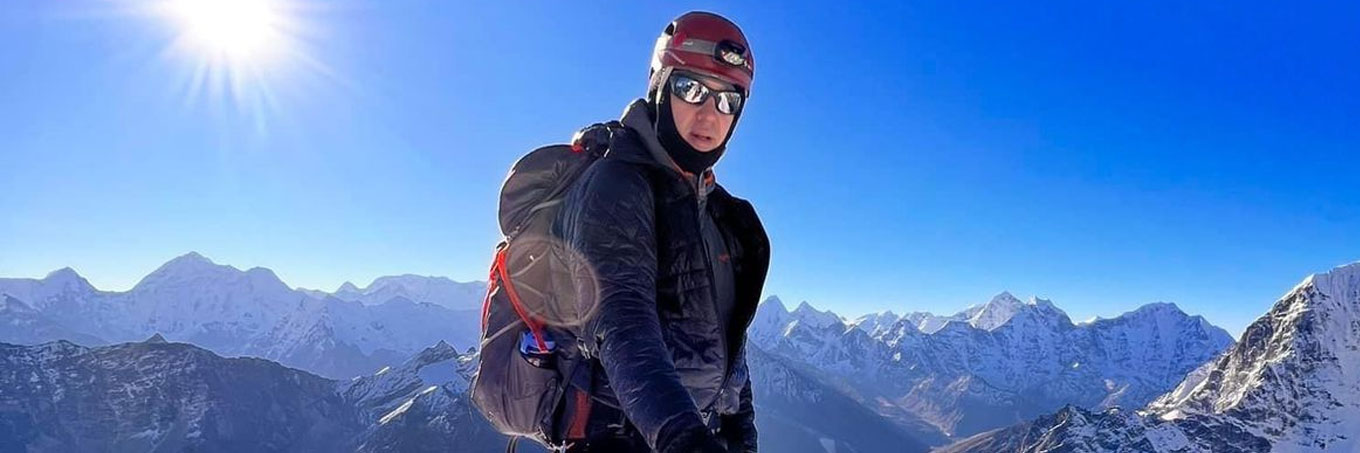
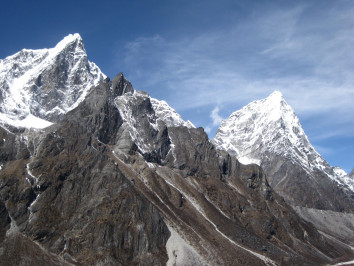
Chhukung Ri Peak climbing is an exhilarating and challenging adventure located in the Everest region of Nepal. Standing at an elevation of 5,550 meters (18,209 feet), this trek offers breathtaking panoramic views of the Himalayan peaks, including the majestic Mount Everest. The climb requires careful acclimatization, physical fitness, and prior trekking experience. It involves traversing rugged terrains, navigating steep ascents, and enduring unpredictable weather conditions. While not technically demanding, proper preparation, including equipment, experienced guides or Sherpas, and a well-planned itinerary, is crucial for a safe and rewarding experience. Chhukung Ri Peak climbing is an opportunity to witness the awe-inspiring beauty of the Himalayas, test your limits, and create unforgettable memories amidst the stunning mountain landscapes.
Chhukung Ri peak, situated at an altitude of 5,550 metres, sits above the Chhukung village in Khumbu region. Lying in the Everest Base Camp region, the Chhukung Peak is a prime member of Khumbu Three Peaks, Island Peak at 6160 metres, Pokalde Peak at 5,806 metres, and Chhukung Ri.
Chhukung Ri peak climbing has been an adventurous activity for trekkers and novice climbers. It is just a few hundred higher than Everest base camp. Often termed as an adventurous trekking destination in the world, it is best for inspiring snow-filled landscapes, topography, and viewing of mountains. The moderate grade trek and climbing of this peak have made it a hub for peak climbing among travellers in Nepal.
Chhukung Ri is also the best acclimatisation place for climbers scaling Imja Tse. This peak is also alternative acclimatisation for Imja Tse climbers if they didn't acclimatise at Everest Base Camp. The construct of this peak is much like the rocky terrain of Kala Patthar.
Chhukung Ri peak is an "A" category peak for climbing, according to Nepal Mountaineering Association (NMA). Thus, NMA regulates the climbing permits and every activity at this peak.
To look at Chhukung-Ri from a Mountaineering perspective, Chhukung Ri Peak is smaller compared to others. But, you have to hike for 4 lung-bursting hours from Chhukung village to the top. With an experienced Sherpa guide and proper trekking gear, you can complete the climb. Thus, you don't need any major technical practices and expertise. All you have to do is climb this peak with endurance.
Everest Base Camp trekkers are the most among the submitters of Chhukung Ri peak. Reviewing the track record of this peak, every trekker who made it to Everest Base Camp has never failed to reach its summit.
Every traveller to Everest trekking and climbing wants to sightsee Everest from close points. If you are heading for the Chhukung Ri climb, you won't see Everest from there. Thus, among the Everest region peak climbing and trekking to Gokyo Ri and Kala Patthar, Chhukung Ri is less crowded than other peaks in this region. Nevertheless, your hike over 5,500 metres of Chhukung Ri is perfect for sightseeing at Chhukung Valley and ideal parts of Khumbu.
Chhukung Ri is home to three prominent glaciers in Chhukung Valley. First, two glaciers are to the South, Lho of Mt. Lhotse and Nup of Mt. Nuptse. Imja Glacier, a Glacier stemming from Imja Tse, lies on the Western side of Marunste and Cho Polu. Originating from Mt. Ama Dablam, Ama Dablam Glacier and Chhukung Glacier lie on the Northern slopes of this elegant mountain. Beyond Dingboche is Pheriche, where these glaciers meet.
Chhukung Valley beautifully sits over 4,730 metres on the left bank of Imja Khola. For decades, this place was a temporary homeland for Yak hearings, and it used to be pasture land. Later, travellers to the Everest region discovered it as a perfect place for acclimatisation before setting out for trekking and climbing Imja Tse and Chhukung Ri. Lately, it has been a must-place for acclimatising before heading to Everest Base Camp. Today, you can find permanent hotels and lodges at this place.
For your Chhukung Ri peak climbing, you’ll first take a flight from Kathmandu to Lukla. From Lukla, you'll trek on a legendary Everest trekking route. You'll hike along the shore of the Dudh Koshi river and cross several inspiring suspension bridges. En route to Namche Bazar, the villages like Phakding and Jorsalle are beautiful settlements. On the second day of a hike from Lukla, you'll reach the capital of Khumbu, Namche Bazar.
You'll start getting the actual glimpses of mountains past Namche Bazar. Touche and Kusum Khangaru are the best mountains seen from the town.
To continue our hike, we'll reach Tengboche, a place for a spiritual visit. It is the home to the largest Buddhist monastery in the Everest region. We'll continue hiking to Dingboche, from where the close view of Ama Dablam and Lhotse starts appearing.
A day of proper acclimatisation at Dingboche prepares us to continue our hike to Chhukung Valley the next day. During the evening, your trek guide will brief you about this tour and how the climbing day will become. Even being the least popular and moderate grade climbing peak, Chhukung Ri Peak is the best to kick-start your Everest region climbing journey. You'll collect the experience of what it takes to peak climbing.
World Expedition Nepal focuses on and promotes peak climbing and expeditions in Nepal. We have been providing tour services since 2017 by registered and licensed under Nepal Government. In the Everest region, we'll make sure that you'll have complete joy alongside the adventure of high-altitude climbing.
Our professional and experienced guides will ensure your utmost comfort and safety on Chhukung-Ri Peak climbing. We'll make this tour an unforgettable experience for you. Also, the health and safety of our clients is our primary motto. Our guides for these expeditions have mountain skills certification. They come with expertise in mountain medicine, first aid, and rescue operations.
Welcome to Kathmandu! It's great to hear that you're planning a Chhukung Ri Peak climbing adventure. Here's what you can expect upon your arrival at Kathmandu airport and how to proceed with your transfer to the hotel:
Arrival at Tribhuvan International Airport (Kathmandu Airport): Upon landing at the airport, you will go through immigration and customs. Ensure that you have all the necessary travel documents, including your passport and visa.
Visa and Immigration: Before your arrival, make sure you have obtained a valid tourist visa for Nepal. You can either obtain it in advance from the Nepalese Embassy/Consulate in your home country or get a visa on arrival at Kathmandu Airport. Follow the instructions at the immigration counter to complete the visa process.
Baggage Claim and Customs: After clearing immigration, proceed to the baggage claim area to collect your luggage. Once you have your bags, proceed to the customs area, where random checks might be conducted.
Meeting Point: Once you exit the customs area, you'll find a large arrival hall with several people waiting to greet their guests. Look for a representative from your hotel or the travel agency you have booked with. They will be holding a signboard with your name or the name of the agency.
Transfer to Hotel: The representative will assist you with your transfer to the hotel. They will arrange a private vehicle or a pre-booked shuttle service to take you from the airport to your accommodation in Kathmandu. The journey to your hotel can take around 30 minutes to an hour, depending on traffic conditions.
Hotel Check-In: Upon reaching your hotel, proceed with the check-in process. Provide your identification and any necessary booking information. Take this opportunity to confirm your travel arrangements, including the Chhukung Ri Peak climbing itinerary, with the hotel staff or your tour operator.
Preparing for Chhukung Ri Peak Climbing: Once settled in your hotel, take some time to rest and acclimatize to the altitude. Kathmandu is at a lower elevation compared to Chhukung Ri Peak, so it's important to allow your body time to adjust. You can use this time to pack and organize your gear, including proper clothing, climbing equipment, and other essentials.
Briefing and Permits: Contact your tour operator or guide to arrange a pre-climbing briefing. They will provide you with detailed information about the climbing route, equipment, safety guidelines, and any necessary permits. Ensure that you have obtained the required permits for Chhukung Ri Peak climbing.
Remember to consult with experienced climbers or a reputable trekking agency to plan your ascent. They can provide valuable guidance on the best time to climb, equipment needed, and safety precautions. Enjoy your Chhukung Ri Peak climbing adventure and have a fantastic time in Nepal!
Having a leisure day in Kathmandu before your Chhukung Ri Peak climbing trip is an excellent opportunity to explore the vibrant city and make any necessary preparations. Here are some suggestions on how to spend your leisure day and prepare for your adventure:
Sightseeing in Kathmandu: Take the day to explore the cultural and historical wonders of Kathmandu. Visit iconic UNESCO World Heritage Sites such as Pashupatinath Temple, Boudhanath Stupa, Swayambhunath (Monkey Temple), or Kathmandu Durbar Square. Immerse yourself in the rich heritage and spirituality of the city.
Visit Thamel: Thamel is a popular tourist hub in Kathmandu known for its bustling streets filled with shops, restaurants, and cafes. Spend some time strolling through Thamel's narrow alleys, browsing the shops for any last-minute gear or equipment you may need for your climb. You can find a wide range of outdoor gear stores, mountaineering shops, and trekking agencies.
Gear Check and Shopping: Use this day to carefully review your climbing gear and equipment. Ensure that you have all the essential items such as sturdy trekking boots, warm clothing, waterproof outer layers, a good backpack, a sleeping bag, headlamp, trekking poles, and any other necessary gear. If you need to purchase any missing items or replace old equipment, Thamel is the perfect place to do so.
Acclimatization and Rest: It's crucial to acclimatize properly before embarking on a high-altitude climbing adventure. Spend the day resting, hydrating, and allowing your body to adjust to the altitude. Avoid strenuous activities and take it easy. This will help prevent altitude sickness and ensure a smoother climbing experience.
Communicate with your Guide: If you have a local guide or a representative from the tour operator, meet with them to discuss the climbing itinerary, any specific requirements, and address any concerns or questions you may have. They can provide valuable insights and recommendations based on their experience.
Packing and Organizing: Take the time to pack your backpack and organize your gear. Make sure you have all the necessary items for the climb, including appropriate clothing layers, personal medications, toiletries, and snacks. Check the weather forecast for the upcoming days to ensure you are prepared for the conditions you may encounter.
Pre-Trip Briefing: If you haven't already, arrange a pre-trip briefing with your tour operator or guide. They will provide detailed information about the trekking route, camping arrangements, safety guidelines, and any specific instructions for your Chhukung Ri Peak climbing adventure. Use this opportunity to clarify any doubts and get a clear understanding of what to expect during the trek.
Remember to take care of your physical well-being by staying hydrated, eating nutritious meals, and getting enough rest. This leisure day in Kathmandu allows you to make final preparations, ensuring a smooth and enjoyable climbing experience in Chhukung Ri Peak.
Flying from Kathmandu to Lukla and trekking to Phakding is the typical starting point for many trekkers embarking on the famous Everest Base Camp trek. This scenic route offers an opportunity to experience the beautiful nature, diverse flora and fauna, and encounter various animals and birds along the way. Here's what you can expect:
Flight from Kathmandu to Lukla: You will start your journey by taking a domestic flight from Kathmandu to Lukla. The flight takes around 30-40 minutes and offers breathtaking views of the Himalayan range, including Mount Everest, as you fly over the rugged terrain. The flight itself is an adventure, landing at Lukla's Tenzing-Hillary Airport, famously known as one of the world's most dangerous airports due to its short runway and challenging terrain.
Trek from Lukla to Phakding: After landing in Lukla, you'll begin your trek towards Phakding, which is situated at an elevation of 2,652 meters (8,700 feet). The trail descends from Lukla, passing through small Sherpa villages, lush green forests, and scenic landscapes. You'll cross suspension bridges adorned with prayer flags over the Dudh Koshi River, which adds to the charm of the journey. The trek to Phakding takes approximately 3-4 hours, covering a distance of around 8 kilometers (5 miles).
Nature and Scenic Beauty: Throughout the trek from Lukla to Phakding, you'll be surrounded by the natural beauty of the Khumbu region. The trail offers stunning views of snow-capped mountains, cascading waterfalls, terraced fields, and dense forests. You'll witness a mix of rhododendron, pine, and fir trees, which are abundant in this area. The landscape is awe-inspiring, providing a glimpse into the grandeur of the Himalayas.
Flora and Fauna: The Khumbu region is known for its diverse flora and fauna. As you trek from Lukla to Phakding, you'll come across various species of plants and trees adapted to the mountainous environment. The lower altitudes are adorned with colorful rhododendron forests, while higher up, you'll find juniper bushes and alpine meadows. Keep an eye out for different types of wildflowers that bloom during the spring season.
Animals and Birds: The region is home to a variety of wildlife, although sightings can be rare due to the rugged terrain. Common animals you may encounter include Himalayan tahrs (wild goats), musk deer, Himalayan pikas, and even elusive snow leopards (though they are extremely rare to spot). Bird enthusiasts will have the opportunity to spot species such as Himalayan monals, Himalayan griffons, yellow-billed choughs, and colorful pheasants like the danphe (national bird of Nepal).
Sherpa Culture: As you trek through the Khumbu region, you'll have the chance to immerse yourself in the Sherpa culture. The villages along the way, including Phakding, are inhabited by the Sherpa people, renowned for their mountaineering expertise. You can interact with the locals, visit monasteries, and experience the unique Sherpa way of life.
Remember to maintain a steady pace, stay hydrated, and acclimatize properly as you ascend to higher altitudes. Hiring a knowledgeable guide will enhance your trekking experience, as they can provide insights into the local culture, point out flora and fauna, and ensure your safety throughout the journey. Enjoy your trek from Lukla to Phakding and embrace the natural wonders of the Everest region!
Trekking from Phakding to Namche Bazaar is an exciting part of the Everest Base Camp trek. Namche Bazaar, situated at an elevation of 3,440 meters (11,286 feet), is a vibrant Sherpa town and a popular resting point for trekkers. Here's what you can expect during this part of the journey:
Start from Phakding: From Phakding, the trail continues along the banks of the Dudh Koshi River. You'll cross several suspension bridges, enjoy the sound of rushing water, and pass through small settlements and teahouses. The trek initially involves some uphill sections and undulating terrain.
Monjo: After a few hours of trekking, you'll reach the entrance to Sagarmatha National Park in Monjo. Here, you'll need to show your permits and obtain an entry ticket to the national park. Sagarmatha National Park is a UNESCO World Heritage Site and home to diverse flora and fauna, including the iconic Himalayan species.
Jorsalle: As you continue trekking, you'll pass through Jorsalle, a small settlement with a few teahouses and lodges. It's a good spot to take a short break and have a snack before continuing the ascent.
Namche Hill and Namche Bazaar: The trail gradually ascends towards Namche Bazaar, with some steep uphill sections. You'll climb Namche Hill, which can be challenging but rewarding. As you ascend, you'll be treated to panoramic views of the surrounding mountains, including Thamserku (6,623m) and Kongde Ri (6,187m).
Finally, after a few hours of trekking, you'll reach Namche Bazaar. This bustling Sherpa town is a major trading hub in the Khumbu region. It offers a variety of facilities, including accommodations, restaurants, shops, and even a bank and post office. Namche Bazaar is a great place for trekkers to acclimatize, as you'll spend a couple of nights here to adjust to the higher altitude.
Scenic Beauty and Cultural Experience: The trek from Phakding to Namche Bazaar offers stunning views of the surrounding mountains, lush green hillsides, and terraced fields. You'll pass through forests of rhododendron, pine, and juniper trees, adding to the natural beauty of the trail. Along the way, you may also encounter prayer wheels, prayer flags, and monasteries that reflect the rich Sherpa culture and Buddhist influence in the region.
Sherpa Hospitality: Namche Bazaar is a vibrant town with a strong Sherpa community. You'll have the opportunity to interact with the locals, visit monasteries, and experience their warm hospitality. Explore the local market where you can find handicrafts, trekking gear, and souvenirs.
Remember to pace yourself, drink plenty of water, and take rest breaks as needed. Proper acclimatization is crucial, so spend a couple of days in Namche Bazaar to allow your body to adjust to the higher altitude before continuing your trek to higher elevations. Enjoy the breathtaking landscapes and immerse yourself in the unique Sherpa culture as you make your way from Phakding to Namche Bazaar.
Taking a rest day in Namche Bazaar and going for a hike around Thame and the Khumbu Valley is a fantastic way to acclimatize further, explore the surrounding areas, and enjoy the natural beauty of the region. Here's what you can do on your rest day:
Explore Namche Bazaar: Start your day by exploring Namche Bazaar itself. The town offers a variety of shops, bakeries, cafes, and restaurants. Take a stroll through the bustling streets, interact with locals, and immerse yourself in the Sherpa culture. Visit the Sherpa Museum to learn about the local history, mountaineering achievements, and the rich cultural heritage of the area.
Hike to Thame: Thame is a picturesque village located in the Khumbu Valley, north of Namche Bazaar. The hike from Namche Bazaar to Thame takes you through beautiful landscapes, charming Sherpa villages, and terraced fields. You'll also pass by the ancient Thame Monastery, one of the oldest in the region, which is worth a visit. The trail offers stunning views of the surrounding mountains, including Kongde Ri and Thamserku.
Khumjung and Khunde: Another option for a day hike is to visit the neighboring villages of Khumjung and Khunde. These villages are renowned for their cultural significance and beautiful landscapes. Khumjung is home to the Hillary School, established by Sir Edmund Hillary, and the famous Khumjung Monastery, which houses the purported Yeti scalp. Khunde is known for its hospital, founded by Sir Edmund Hillary, and the Khunde Monastery. The hike to these villages provides a glimpse into the local way of life and offers breathtaking views of Ama Dablam and other Himalayan peaks.
Enjoy the Scenic Beauty: As you explore Thame, Khumjung, and Khunde, you'll be surrounded by the majestic Himalayan scenery. Keep your camera handy to capture the stunning mountain vistas, serene valleys, and charming Sherpa settlements. Take in the fresh mountain air and immerse yourself in the peaceful atmosphere of the region.
Acclimatization and Rest: Remember that the rest day is primarily for acclimatization. Spend some time relaxing, hydrating, and allowing your body to adjust to the higher altitude. Take it easy and avoid strenuous activities to prevent altitude sickness. Enjoy the slower pace of life in Namche Bazaar, interact with fellow trekkers, and rest up for the upcoming days of trekking.
Always follow the guidance of your trekking guide or local authorities regarding the trail conditions, weather, and any safety precautions. They can provide valuable information and ensure a safe and enjoyable hike. Enjoy your rest day in Namche Bazaar and the hike around Thame and the Khumbu Valley, taking in the breathtaking beauty of the Himalayas and experiencing the unique Sherpa culture.
Trekking from Namche Bazaar to Tyangboche Monastery is a memorable part of the Everest Base Camp trek. Tyangboche Monastery, located at an elevation of 3,860 meters (12,664 feet), is a significant religious site and offers stunning panoramic views of the surrounding Himalayan peaks. Here's what you can expect during this portion of the trek:
Depart from Namche Bazaar: Start your trek from Namche Bazaar, following the well-defined trail that gradually ascends through the rhododendron and juniper forests. As you leave Namche, you'll enjoy beautiful views of Everest (8,848m), Lhotse (8,516m), Nuptse (7,861m), Ama Dablam (6,812m), and other majestic peaks.
Descend to the Dudh Koshi River: After a short ascent, the trail descends towards the Dudh Koshi River. You'll cross a suspension bridge and then start ascending again through a forested area. The trail offers occasional glimpses of the mountains and the valley below.
Phunki Tenga: After crossing another suspension bridge over the Imja Khola, you'll climb uphill to Phunki Tenga, a small settlement situated at the confluence of the Dudh Koshi and Imja Khola rivers. This is a good place to take a break and have a snack before continuing the ascent.
Uphill Climb to Tyangboche: From Phunki Tenga, the trail becomes steeper as you ascend through a forested path. As you climb higher, you'll pass through beautiful rhododendron forests and may encounter wildlife such as musk deer and Himalayan thars. The last part of the climb is a bit challenging, but the rewards are worth it.
Tyangboche Monastery: Upon reaching Tyangboche, you'll be greeted by the magnificent Tyangboche Monastery, one of the most important Buddhist monasteries in the region. The monastery is perched on a ridge and offers breathtaking views of Everest, Ama Dablam, and other surrounding peaks. You may have the opportunity to witness the monks chanting and performing religious ceremonies.
Scenic Beauty and Cultural Experience: The trek from Namche Bazaar to Tyangboche is characterized by stunning natural beauty and a rich cultural experience. The trail offers panoramic views of the Himalayas, including the iconic Ama Dablam, and provides ample opportunities to appreciate the alpine flora and fauna. Along the way, you'll pass by prayer wheels, colorful prayer flags, and small Sherpa settlements, providing insights into the local culture and way of life.
Lodging and Facilities: Tyangboche has a few teahouses and lodges where you can rest and spend the night. You'll find basic facilities such as accommodation, meals, and hot showers. Enjoy the peaceful ambiance and take in the serene surroundings of the monastery.
Remember to maintain a steady pace, stay hydrated, and acclimatize properly as you ascend to higher altitudes. Taking breaks, drinking plenty of water, and listening to your body's needs are essential. Hiring a knowledgeable guide ensures your safety and enhances your trekking experience by providing insights into the local culture and natural wonders.
Enjoy the breathtaking views, immerse yourself in the spiritual atmosphere of Tyangboche Monastery, and appreciate the beauty of the Himalayas as you trek from Namche Bazaar to Tyangboche.
Trekking from Tyangboche to Dingboche Village is an exciting part of the Everest Base Camp trek, taking you to higher elevations and offering stunning views of the surrounding Himalayan peaks. Dingboche Village, situated at an elevation of 4,410 meters (14,469 feet), is a popular resting point for acclimatization. Here's what you can expect during this portion of the trek:
Depart from Tyangboche: Start your trek from Tyangboche, following the well-marked trail that gradually descends through beautiful rhododendron and juniper forests. Enjoy the scenic beauty as you make your way down.
Cross the Imja Khola: After descending, you'll cross a suspension bridge over the Imja Khola River. The bridge offers views of the gushing river below and marks the entrance to the Imja Valley. From here, the trail gradually ascends towards Dingboche.
Pangboche: As you continue trekking, you'll pass through the charming village of Pangboche. This traditional Sherpa village is known for its ancient monastery, Pangboche Gompa, which is worth a visit. Take a break in Pangboche, have some refreshments, and soak in the peaceful atmosphere of the village.
Ascend to Dingboche: Leaving Pangboche behind, the trail starts to climb uphill, gradually gaining altitude. You'll pass through open alpine landscapes, with mesmerizing views of the Himalayas surrounding you. As you approach Dingboche, you'll be greeted by its stone-walled fields, grazing yaks, and the stunning backdrop of Ama Dablam (6,812m) and other peaks.
Acclimatization in Dingboche: Dingboche is a popular acclimatization stop on the Everest Base Camp trek. Spend a day here to allow your body to adjust to the higher altitude. Explore the village and enjoy the breathtaking views of the mountains. You can take a short hike to the nearby Nangkartshang Peak (5,083m) for panoramic views of the Everest region. This acclimatization day will help prepare you for the higher elevations of the trek.
Scenic Beauty and Mountain Views: The trek from Tyangboche to Dingboche offers stunning views of the surrounding Himalayan peaks, including Ama Dablam, Lhotse, Nuptse, and Island Peak. The landscape transitions from forests to alpine meadows, and you'll encounter picturesque valleys and sparkling rivers along the way. The scenery is awe-inspiring and provides a true Himalayan experience.
Sherpa Culture and Hospitality: Dingboche is a Sherpa village where you can experience the warm hospitality of the locals. Immerse yourself in the Sherpa culture, interact with the friendly villagers, and learn about their way of life. Enjoy the cozy teahouses and lodges that provide comfortable accommodation and delicious meals for trekkers.
Remember to listen to your body, stay hydrated, and continue acclimatizing properly as you ascend to higher altitudes. Take rest breaks as needed and pay attention to any symptoms of altitude sickness. Hiring a knowledgeable guide is beneficial, as they can provide guidance, ensure your safety, and enhance your trekking experience.
Enjoy the breathtaking mountain views, immerse yourself in the Sherpa culture, and appreciate the natural beauty as you trek from Tyangboche to Dingboche Village.
Trekking from Tyangboche to Chhukung is a thrilling part of the Everest Base Camp trek, taking you to higher elevations and providing breathtaking views of the surrounding Himalayan peaks. Chhukung, situated at an elevation of 4,730 meters (15,518 feet), is a popular stop for trekkers heading towards Island Peak and offers stunning mountain panoramas. Here's what you can expect during this portion of the trek:
Depart from Tyangboche: Begin your trek from Tyangboche, following the trail that winds through beautiful landscapes. You'll leave behind the lush greenery and gradually enter the high alpine region.
Pangboche and Shomare: As you continue trekking, you'll pass through the villages of Pangboche and Shomare. These Sherpa settlements offer opportunities to interact with the locals and learn about their culture and traditions. You'll also pass by several ancient monasteries, such as Pangboche Gompa and Shomare Gompa, which are worth exploring.
Imja Khola Valley: After Shomare, the trail descends to the Imja Khola Valley. The route follows the river, offering scenic views of the glacial stream and the surrounding mountains. The trail gradually ascends as you make your way towards Chhukung.
Lhotse and Island Peak Views: As you approach Chhukung, you'll be treated to stunning views of Lhotse (8,516m), the fourth highest mountain in the world, and Island Peak (6,189m), a popular trekking peak in the region. The panoramic vistas of these majestic peaks, along with the surrounding Himalayan range, are truly awe-inspiring.
Acclimatization in Chhukung: Chhukung is an essential acclimatization stop before heading to higher elevations or attempting peaks like Island Peak. Spend a day in Chhukung to allow your body to adjust to the altitude. Take short hikes around the area to further acclimatize and enjoy the mesmerizing mountain views.
Optional Side Hike to Chhukung Ri: For those seeking additional adventure and stunning panoramic views, you can opt for a side hike to Chhukung Ri. Chhukung Ri is a viewpoint located at an elevation of approximately 5,550 meters (18,208 feet). The hike is challenging but rewards you with breathtaking vistas of the surrounding peaks, including Ama Dablam, Makalu, and Baruntse.
High-Altitude Wilderness: The trek from Tyangboche to Chhukung takes you into the high-altitude wilderness of the Everest region. You'll be surrounded by rugged mountains, vast glaciers, and rocky terrain. The landscape is stark and dramatic, offering a unique experience of the Himalayas.
Trekking Preparation: While in Chhukung, take the opportunity to prepare for the challenging sections of the trek ahead. Ensure you have the necessary equipment and gear for the higher altitudes. It is also a good time to review your climbing skills and get ready for any peak climbing or high passes that may be part of your itinerary.
Remember to acclimatize properly, stay hydrated, and listen to your body's signals. Altitude sickness can be a concern at higher elevations, so take it slow and allow yourself time to adjust. Hiring a knowledgeable guide is advisable to ensure your safety and enhance your trekking experience.
Enjoy the mesmerizing mountain vistas, experience the high-altitude wilderness, and immerse yourself in the adventurous spirit of the Everest region as you trek from Tyangboche to Chhukung.
Climbing Chhukung Ri in the early morning is a thrilling adventure that rewards you with breathtaking views of the surrounding Himalayan peaks. Chhukung Ri, located at an elevation of 5,550 meters (18,208 feet), offers a panoramic vantage point to witness the beauty of the Everest region. Here's what you can expect during your early morning climb:
Start Early: To make the most of the clear weather and stunning sunrise views, it's best to start your climb to Chhukung Ri early in the morning, preferably before dawn. This will give you ample time to ascend, reach the summit, and enjoy the sunrise from the top.
Challenging but Rewarding: Climbing Chhukung Ri is a challenging endeavor due to the high altitude and steep ascent. The trail involves scrambling over rocky terrain and requires a moderate level of fitness and acclimatization. However, the effort is well worth it once you reach the summit and are rewarded with breathtaking panoramic views of the Himalayas.
Stunning Sunrise Views: As you ascend Chhukung Ri, you'll witness the gradual transformation of the landscape as the sun rises over the mountains. The early morning light paints the peaks with golden hues, creating a magical atmosphere. From the summit, you'll be treated to awe-inspiring views of Ama Dablam, Lhotse, Nuptse, Island Peak, and other surrounding Himalayan giants.
Acclimatization Considerations: Climbing Chhukung Ri requires proper acclimatization. It is important to spend a few days at higher elevations, such as Chhukung itself, to allow your body to adjust to the thinner air and minimize the risk of altitude sickness. Adequate rest, hydration, and listening to your body's signals are essential during the climb.
Safety Precautions: As with any high-altitude activity, it is crucial to prioritize safety during your climb. Be mindful of the weather conditions, dress in appropriate layers to protect against the cold, and wear sturdy footwear for the rocky terrain. Additionally, it is highly recommended to climb with a knowledgeable guide who can navigate the route and provide assistance if needed.
Photography Opportunities: Chhukung Ri offers incredible opportunities for photography enthusiasts. Capture the majestic Himalayan peaks, the vast glacial landscapes, and the play of light and shadows during sunrise. Remember to bring extra batteries and memory cards for your camera to capture these memorable moments.
Enjoying the Summit: Once you reach the summit of Chhukung Ri, take some time to absorb the breathtaking views and celebrate your achievement. Situated at a high elevation, the summit provides a sense of accomplishment and a chance to reflect on the beauty of the Everest region.
Remember to descend carefully, as going down can be equally challenging. Pace yourself, take breaks if needed, and enjoy the descent while savoring the magnificent views.
Climbing Chhukung Ri in the early morning is a remarkable experience that offers a unique perspective on the grandeur of the Himalayas. Embrace the adventure, take in the natural beauty, and create memories that will last a lifetime.
Trekking from Chhukung Ri to Lobuche is a memorable part of the Everest Base Camp trek, taking you through high-altitude terrain and providing stunning views of the Himalayan peaks. Lobuche, situated at an elevation of 4,910 meters (16,109 feet), is a popular resting point before reaching Everest Base Camp. Here's what you can expect during this portion of the trek:
Descend to Bibre: Begin your trek from Chhukung Ri and descend back to the village of Chhukung. From there, the trail continues descending further to Bibre. Enjoy the scenic views as you descend, with mountains towering above you and the rugged terrain surrounding you.
Pangboche and Shomare: As you continue your trek, you'll pass through the villages of Pangboche and Shomare, which you may have visited earlier in your trek. Take the opportunity to rest, have a meal, and soak in the Sherpa culture and hospitality.
Thukla Pass: From Shomare, the trail gradually ascends to the Thukla Pass (also known as the Dughla Pass). This section of the trail can be challenging due to the steep ascent, but the panoramic views of the mountains make it worthwhile. The pass is marked with memorials and monuments dedicated to climbers who have lost their lives in the Everest region.
Khumbu Glacier: After crossing the Thukla Pass, the trail descends alongside the Khumbu Glacier. This vast glacier is one of the notable features of the Everest region and adds to the dramatic landscape. You'll have an opportunity to witness the glacier up close and appreciate its sheer magnitude.
Lobuche: As you approach Lobuche, you'll be surrounded by the stunning peaks of the Everest region. Lobuche is a small settlement with teahouses and lodges that cater to trekkers. Rest and acclimatize in Lobuche, taking in the breathtaking views of the surrounding mountains, including Nuptse, Pumori, and Lingtren.
High-Altitude Preparations: Lobuche is an important resting point before reaching Everest Base Camp. Take the time to rest, hydrate, and prepare for the higher altitudes to come. Ensure you have the necessary equipment and gear for the challenging sections of the trek ahead.
Accommodation and Facilities: Lobuche has teahouses and lodges where you can find accommodation and basic facilities such as meals and hot showers. However, keep in mind that the amenities may be more basic compared to lower elevations. The lodge owners and staff are accustomed to catering to trekkers and will ensure your comfort.
Mountain Views: Lobuche offers stunning views of the surrounding Himalayan peaks. On clear days, you'll be treated to breathtaking vistas of mountains such as Nuptse (7,861m) and Pumori (7,161m). Take the time to admire the beauty of the Everest region and capture some memorable photographs.
Remember to acclimatize properly, listen to your body, and follow the guidance of your guide. Altitude sickness can be a concern at higher elevations, so take it slow and allow your body to adjust. Hiring a knowledgeable guide is recommended for your safety and to enhance your trekking experience.
Enjoy the spectacular mountain views, experience the high-altitude terrain, and continue on your journey towards Everest Base Camp as you trek from Chhukung Ri to Lobuche.
The trek from Lobuche to Gorakshep is an exciting and challenging part of the Everest Base Camp trek. Gorakshep, located at an elevation of 5,140 meters (16,863 feet), serves as the final stop before reaching Everest Base Camp itself. The trekking time from Lobuche to Gorakshep can vary depending on individual fitness levels, weather conditions, and the pace of the trek. On average, it takes around 2 to 3 hours to cover the distance between these two points. Here's what you can expect during this part of the trek:
Depart from Lobuche: Start your trek from Lobuche, bidding farewell to the stunning mountain views and rugged landscapes. The trail gradually ascends as you make your way towards Gorakshep.
Khumbu Glacier: The trek from Lobuche to Gorakshep takes you alongside the Khumbu Glacier, a massive glacier that originates from the slopes of Mount Everest. The glacier is a remarkable sight, with its icy formations and crevasses. Be cautious while trekking near the glacier and follow your guide's instructions.
Rocky Terrain: As you approach Gorakshep, the terrain becomes rocky and barren. You'll traverse over moraines and rocky paths, with minimal vegetation. The landscape is stark but offers its own unique beauty.
Everest Base Camp Excursion: Gorakshep serves as the base for those wishing to visit Everest Base Camp. Once you reach Gorakshep, you can drop off your bags at the teahouse and continue on a separate excursion to Everest Base Camp, which is typically a round trip of around 4 to 5 hours. The trail to Everest Base Camp from Gorakshep is challenging, with ups and downs, but the sense of achievement upon reaching the base camp is unparalleled.
Accommodation and Facilities: Gorakshep has teahouses and lodges that provide basic accommodation and meals for trekkers. Keep in mind that facilities can be more basic and limited due to the remote location and high altitude. It is advisable to have your accommodation pre-arranged, especially during peak trekking seasons.
Altitude Considerations: Gorakshep is situated at a high altitude, and altitude sickness can be a concern. It is important to continue acclimatizing properly, staying hydrated, and being aware of any symptoms of altitude sickness. It is recommended to consult with your guide and follow their guidance.
Weather Conditions: Weather conditions in the Everest region can be unpredictable, with temperatures dropping significantly at higher altitudes. Be prepared for cold and possibly windy conditions during your trek from Lobuche to Gorakshep. Layered clothing, a good quality sleeping bag, and proper gear are essential to stay warm and comfortable.
Remember to pace yourself, take breaks as needed, and enjoy the awe-inspiring views of the surrounding peaks. Stay hydrated, listen to your body, and prioritize your safety throughout the trek. Hiring a knowledgeable guide is highly recommended to ensure a smooth and safe journey.
Embrace the challenges and rewards of the trek from Lobuche to Gorakshep, as you inch closer to the ultimate destination of Everest Base Camp.
The trek from Gorakshep to Kalapatthar is a highlight of the Everest Base Camp trek, offering stunning panoramic views of Mount Everest and the surrounding Himalayan peaks. Kalapatthar, situated at an elevation of 5,550 meters (18,209 feet), is renowned as one of the best viewpoints in the Everest region. Here's what you can expect during this part of the trek:
Early Morning Start: To witness the sunrise over Mount Everest from Kalapatthar, it is recommended to start your trek early in the morning. The pre-dawn hike ensures clear weather and optimal lighting for capturing the breathtaking views.
Gradual Ascent: The trail from Gorakshep to Kalapatthar involves a steady uphill climb. The terrain is rocky and rugged, and the altitude can make the trek challenging. Take your time and pace yourself, allowing your body to adjust to the increasing elevation.
Panoramic Mountain Views: As you ascend Kalapatthar, the panoramic views of the surrounding Himalayan peaks unfold before you. On a clear day, you'll be rewarded with uninterrupted vistas of Mount Everest (8,848 meters) and other prominent peaks such as Lhotse (8,516 meters), Nuptse (7,861 meters), and Pumori (7,161 meters). The sight of the sun illuminating the highest peak in the world is a truly awe-inspiring experience.
Acclimatization Considerations: Kalapatthar is situated at a high altitude, and proper acclimatization is crucial. Spending a few days at higher elevations, including Gorakshep, helps your body adjust to the thinner air and reduces the risk of altitude sickness. Listen to your body and consult with your guide to ensure you are adequately acclimatized before attempting the ascent to Kalapatthar.
Cold Weather: At the high elevation of Kalapatthar, temperatures can be significantly colder compared to lower altitudes. It is important to dress in warm layers, including a down jacket, hat, gloves, and suitable trekking pants. Additionally, protect yourself from the sun's rays by wearing sunscreen, sunglasses, and a hat.
Photography Opportunities: Kalapatthar offers exceptional opportunities for photography enthusiasts. Capture the majestic peaks of the Everest region, the dramatic play of light and shadow on the mountains, and the vast Himalayan landscape. Remember to bring extra batteries and memory cards, as the cold temperatures can drain the battery life of electronic devices more quickly.
Time at the Summit: Once you reach the summit of Kalapatthar, take your time to savor the breathtaking views and soak in the moment. Spend some peaceful moments in the presence of the towering Himalayan giants, relishing the sense of accomplishment that comes with reaching such a remarkable viewpoint.
Descend to Gorakshep: After enjoying the views from Kalapatthar, you'll make your way back down to Gorakshep. Descending is usually quicker than ascending, but take caution on the rocky terrain and ensure your footing is secure.
Remember to stay hydrated, listen to your body, and take necessary breaks during the trek. Altitude sickness can be a concern at higher elevations, so be aware of any symptoms and descend if necessary. Hiring a knowledgeable guide is recommended for your safety and to enhance your trekking experience.
Trekking from Gorakshep to Kalapatthar is an unforgettable experience that provides a unique perspective of the Everest region. Cherish the panoramic views, capture lasting memories, and appreciate the grandeur of the highest peaks on Earth.
The trek from Kalapatthar to Phortse Village takes you through picturesque landscapes and charming Sherpa villages in the Everest region. Phortse Village, located at an elevation of 3,810 meters (12,500 feet), offers a glimpse into the Sherpa culture and a tranquil setting away from the more crowded trekking routes. Here's what you can expect during this part of the trek:
Descending from Kalapatthar: After soaking in the panoramic views from Kalapatthar, you'll begin your descent back towards lower elevations. The trail initially takes you back through Gorakshep and follows a gradual descent as you make your way towards Phortse Village.
Tengboche: On your way to Phortse Village, you'll pass through the village of Tengboche. Tengboche is renowned for its beautiful monastery, Tengboche Monastery, which is the largest monastery in the Everest region. Take the opportunity to explore the monastery and enjoy the serene surroundings.
Scenic Views and Flora: The trail from Tengboche to Phortse Village offers scenic views of the surrounding Himalayan peaks and the lush green landscapes. You'll trek through rhododendron forests, which are especially vibrant during the spring season when the flowers are in full bloom. Keep an eye out for other flora and fauna along the way, as the region is rich in biodiversity.
Sherpa Culture and Villages: As you approach Phortse Village, you'll have the chance to immerse yourself in the Sherpa culture. Phortse is a traditional Sherpa village, and its inhabitants maintain their age-old traditions and way of life. Interact with the friendly locals, visit the monasteries, and learn about their customs and traditions.
Lodging and Facilities: Phortse Village has teahouses and lodges where you can find accommodation and meals. While the facilities may be more basic compared to larger towns, you'll still have access to essential amenities. It's advisable to have your accommodation pre-arranged, especially during peak trekking seasons.
Peaceful and Off-the-Beaten-Path: Phortse Village is relatively quieter and less crowded compared to other popular stops along the Everest Base Camp trek. The village offers a peaceful and serene atmosphere, allowing you to enjoy the tranquility of the surroundings and the slower pace of life in the mountains.
Mountain Views: Phortse Village is nestled in a scenic location, surrounded by mountains such as Thamserku (6,623 meters) and Kangtega (6,782 meters). Take in the breathtaking views of these majestic peaks and the surrounding landscapes, capturing the beauty of the Everest region.
Acclimatization and Rest: Phortse Village is situated at a lower elevation compared to Gorakshep and Kalapatthar, allowing for further acclimatization and rest. This gradual descent helps your body adjust to the changing altitudes and reduces the risk of altitude sickness.
Enjoy the serene beauty of the landscapes, the warm hospitality of the Sherpa people, and the cultural richness of Phortse Village as you continue your trek. Take your time to savor the journey and create lasting memories in this enchanting corner of the Everest region.
The trek from Phortse to Namche Bazaar takes you through scenic trails, picturesque villages, and offers a chance to experience the vibrant atmosphere of Namche Bazaar, the bustling hub of the Everest region. Here's what you can expect during this part of the trek:
Descending from Phortse: Leave the peaceful setting of Phortse behind and begin your descent towards Namche Bazaar. The trail gradually descends through beautiful landscapes, offering views of the surrounding mountains and valleys.
Mong La Pass: On the way to Namche Bazaar, you'll pass through the charming village of Mong La. The village is known for its picturesque location and the Mong La Pass, which offers stunning panoramic views of Ama Dablam (6,812 meters), Thamserku (6,623 meters), and other peaks. Take a moment to soak in the breathtaking scenery.
Flora and Fauna: As you descend towards Namche Bazaar, you'll traverse through forests filled with rhododendron and pine trees. Keep an eye out for various species of birds and other wildlife that inhabit the area, such as the Himalayan Tahr and the musk deer.
Sherpa Culture and Villages: Along the trail, you'll encounter several Sherpa villages, where you can immerse yourself in the local culture. Observe the traditional houses, visit local monasteries, and interact with the friendly Sherpa people, who are known for their warm hospitality and rich cultural heritage.
River Crossings: The trail from Phortse to Namche Bazaar involves crossing several suspension bridges over the Dudh Koshi River. These bridges add an adventurous element to the trek and provide opportunities to take in the stunning river scenery.
Namche Bazaar: As you reach Namche Bazaar, you'll be greeted by the lively atmosphere of this bustling Sherpa town. Namche Bazaar serves as a commercial and trading center in the region, with shops, cafes, and lodges catering to trekkers. Explore the colorful market, interact with fellow trekkers, and enjoy the amenities and facilities available in Namche Bazaar.
Acclimatization: Namche Bazaar is an ideal place for an acclimatization day to further adjust to the altitude. Take advantage of this rest day to explore the surrounding areas, hike to nearby viewpoints, or visit the Sherpa Culture Museum and Everest Photo Gallery.
Mountain Views: Namche Bazaar offers stunning views of the surrounding mountains, including Ama Dablam (6,812 meters), Everest (8,848 meters), and Lhotse (8,516 meters). Weather permitting, you can catch glimpses of these majestic peaks from various viewpoints around Namche Bazaar.
Remember to pace yourself, stay hydrated, and listen to your body during the trek. Acclimatization is essential to ensure a safe and enjoyable journey. Hiring a knowledgeable guide can provide valuable insights into the local culture, navigate the trails, and enhance your overall trekking experience.
Enjoy the scenic beauty, cultural experiences, and the vibrant atmosphere of Namche Bazaar as you trek from Phortse to this Sherpa town.
The trek from Namche Bazaar to Phakding is the final leg of your journey in the Everest region. It involves descending from the bustling town of Namche Bazaar back to the starting point of your trek at Phakding. Here's what you can expect during this part of the trek:
Descending from Namche Bazaar: Leave the vibrant atmosphere of Namche Bazaar behind and begin your descent towards Phakding. The trail initially descends steeply through forests and offers occasional glimpses of the surrounding peaks.
Scenic Views: As you descend, you'll be treated to beautiful views of the mountains and valleys. Take the time to appreciate the landscapes and the serene beauty of the region.
Sherpa Villages: Along the way, you'll pass through several Sherpa villages, where you can observe the local way of life. The villages are adorned with traditional houses, prayer flags, and monasteries, providing insights into the Sherpa culture and traditions.
Suspension Bridges and Rivers: The trail from Namche Bazaar to Phakding involves crossing several suspension bridges over the Dudh Koshi River. These bridges add an exciting element to the trek and provide opportunities to enjoy the river scenery.
Flora and Fauna: Descending through the forests, you'll have the chance to encounter various flora and fauna. Keep an eye out for different species of birds, including colorful Himalayan pheasants, as well as other wildlife such as musk deer and Himalayan Thar.
Accommodation and Facilities: Phakding offers a range of teahouses and lodges where you can find accommodation and meals. While the facilities may be more basic compared to larger towns, they provide a comfortable resting place for trekkers. It is advisable to have your accommodation pre-arranged, especially during peak trekking seasons.
Completion of the Trek: Arriving in Phakding marks the completion of your trek in the Everest region. Take a moment to reflect on your journey, celebrate your achievements, and savor the memories you've created along the way.
Transportation: From Phakding, you can arrange for transportation, such as a jeep or a flight from Lukla, to return to Kathmandu or continue with your onward travel plans.
As you descend from Namche Bazaar to Phakding, cherish the final moments in the Everest region and enjoy the peaceful surroundings. Remember to maintain a steady pace, stay hydrated, and take breaks as needed. It is always recommended to trek with a knowledgeable guide to ensure a safe and memorable experience.
Congratulations on completing your trek and best wishes for your onward journey!
The trek from Phakding to Lukla is the final leg of your journey in the Everest region. It involves walking back along the same trail you took on your way to Phakding, but in reverse. Here's what you can expect during this part of the trek:
Scenic Trail: The trail from Phakding to Lukla offers beautiful views of the surrounding landscapes, lush green hills, and the Dudh Koshi River. Enjoy the natural beauty of the region as you make your way back towards Lukla.
Sherpa Villages and Culture: Along the way, you'll pass through Sherpa villages, where you can immerse yourself in the local culture once again. Observe the traditional houses, interact with the friendly locals, and appreciate the unique Sherpa way of life.
Suspension Bridges and River Crossings: Just like on your way to Phakding, you'll encounter several suspension bridges that cross the Dudh Koshi River. These bridges add an adventurous element to the trek and provide opportunities to enjoy the scenic river views.
Tea Houses and Rest Stops: As you trek back towards Lukla, you'll find numerous tea houses and rest stops along the trail. These establishments offer refreshments, meals, and a place to rest and recharge. Take advantage of these rest stops to relax and refuel before continuing your journey.
Mountain Views: Weather permitting, you may still be able to catch glimpses of the magnificent Himalayan peaks, including Everest, as you make your way back to Lukla. Enjoy the awe-inspiring views and appreciate the grandeur of the mountains one last time.
Accommodation in Lukla: Upon reaching Lukla, you'll have a range of accommodation options available, including guesthouses and lodges. Celebrate the completion of your trek and enjoy a comfortable night's rest in Lukla before continuing with your onward travel plans.
Farewell to the Everest Region: As you bid farewell to Lukla, take a moment to reflect on the incredible journey you've had in the Everest region. Cherish the memories, the breathtaking views, and the experiences you've gained during your trek.
Transportation options, such as flights or jeeps, can be arranged from Lukla to return to Kathmandu or continue with your onward travel plans.
Enjoy the final leg of your trek from Phakding to Lukla, and savor the last moments in the beautiful Everest region. Congratulations on completing your trek, and may your journey home be safe and filled with fond memories!
Yes, the flight from Lukla to Kathmandu typically takes around 35 minutes. Lukla Airport, also known as Tenzing-Hillary Airport, is a small airport located in the Everest region of Nepal. The flight offers stunning aerial views of the Himalayas and is a thrilling experience in itself.
However, it's important to note that flight schedules and durations can be subject to change due to various factors, including weather conditions and airport operations. It's advisable to check with the airline or your travel agency for the most up-to-date information regarding flight schedules and any potential delays.
Once you arrive in Kathmandu, you can continue with your travel plans or take some time to rest and explore the vibrant capital city of Nepal.
If you are ready for your final departure from Kathmandu, here are a few things to keep in mind:
Check your flight details: Make sure to double-check your flight timing, terminal, and any specific requirements provided by the airline. Arrive at the airport well in advance to allow for check-in procedures and security checks.
Pack and organize your belongings: Ensure that you have packed all your belongings and have your travel documents, including your passport, tickets, and any necessary visas, easily accessible. Double-check that you haven't left anything behind at your hotel or accommodation.
Transportation to the airport: Arrange for transportation to the airport in advance. You can hire a taxi or use airport shuttle services, depending on your preference and convenience. Leave with enough time to account for traffic and any unexpected delays.
Currency exchange and airport facilities: If you have any local currency remaining, you can exchange it back to your preferred currency at the airport. Take care of any last-minute shopping or utilize any other airport facilities that you may require.
Airport procedures: Follow the check-in procedures, including baggage check-in and security checks, at the airport. Be prepared to present your travel documents and follow any additional guidelines or protocols put in place by the airport or airline.
Enjoy your journey home: Take a moment to reflect on your experiences in Nepal and the Everest region. Cherish the memories and appreciate the unique adventures you had during your trip. Use your travel time to relax, reflect, and plan your future travel endeavors.
Safe travels and have a pleasant journey home!
Chhukung Ri Peak climbing is considered to be a challenging endeavor located in the Everest region of Nepal, stands at an elevation of 5,550 meters (18,209 feet) close to the popular trekking route to Everest Base Camp. The peak and offers breathtaking panoramic views of the surrounding Himalayan peaks, including the towering Mount Everest.
The difficulty of climbing Chhukung Ri primarily stems from the high altitude and steep ascent. Altitude sickness is a significant concern, as climbers must acclimatize properly to avoid potential health risks. The trail involves trekking through rugged terrains, including rocky paths and sometimes icy sections. Climbers need to have a good level of physical fitness, endurance, and prior trekking experience to tackle the challenging conditions.
Additionally, the weather in the region can be unpredictable and harsh, especially during the winter and monsoon seasons, which further adds to the difficulty. Proper equipment, including appropriate clothing, sturdy boots, and other essential gear, is necessary to ensure safety and comfort during the climb.
It is important to note that climbing Chhukung Ri is not a technical ascent that requires mountaineering skills or equipment like ropes and harnesses. However, it is still a demanding endeavor that requires careful planning, preparation, and the guidance of experienced guides or Sherpas. Proper acclimatization, physical conditioning, and a gradual ascent are crucial for a safe and enjoyable experience.
The cost of Chhukung Ri Peak climbing can vary depending on several factors such as the duration of the trek, the services included, the trekking agency or guide chosen, and the number of climbers in the group. On average, the cost can range from around $1,500 to $3,000 per person. This cost typically covers permits, accommodation, meals, experienced guides or Sherpas, transportation, trekking equipment, and sometimes even domestic flights. Additional expenses may include visa fees, travel insurance, personal gear, and gratuities. It's important to research and compare different trekking agencies to find one that offers a package that suits your budget and requirements.
If you want to go for climbing Chhukung Ri Peak, World Expedition Nepal can manage you a better package for climbing. Please lets us know you wills.
Furthermore you can contact us on our Email:-world.expeditionnepal@gmail.com.
The best months for Chhukung Ri Peak climbing are typically during the spring (April and May) and autumn (September and October) seasons. These periods offer the most favorable weather conditions with clear skies, stable weather patterns, and excellent visibility. Spring showcases the beauty of blooming rhododendron forests, while autumn provides a quieter and less crowded trekking experience. However, it's important to stay informed about weather forecasts and be prepared for potential variations in weather conditions, as the Himalayas can be unpredictable.
The elevation of Chhukung Ri, also spelled as Chukhung Ri, stands at approximately 5,550 meters (18,209 feet) above sea level. It is a prominent peak located in the Everest region of Nepal, near the village of Chhukung. The climb to Chhukung Ri offers trekkers and climbers stunning panoramic views of the surrounding Himalayan peaks, including the towering Mount Everest, Lhotse, Nuptse, Ama Dablam, and many others. Due to its impressive elevation, climbers must take precautions to acclimatize properly and be prepared for the challenges that come with high altitude, such as potential altitude sickness and the need for gradual ascent to ensure a safe and enjoyable experience.
The trekking distance to reach Chhukung Ri peak can vary depending on the specific route taken and the starting point of the trek. Typically, the distance from Lukla, a common starting point for trekkers in the Everest region, to Chhukung village is approximately 65 kilometers (40 miles) via the Everest Base Camp trek route. This distance is covered over several days of trekking, with daily distances varying based on the chosen itinerary and individual pace. The trekking duration can range from around 7 to 10 days, including acclimatization days and rest stops along the way. Once you reach Chhukung village, you would then climb Chhukung Ri, which involves ascending to the peak and returning to the village, typically done within a single day.
Altitude sickness, also known as acute mountain sickness (AMS), can be experienced during the trek to Chhukung Ri Peak. The trail involves gaining significant elevation, and as you ascend to higher altitudes, the air becomes thinner, leading to a decrease in oxygen levels. Symptoms of altitude sickness can include headaches, dizziness, nausea, loss of appetite, fatigue, and difficulty sleeping. It is important to acclimatize properly by taking rest days, staying hydrated, eating well, and ascending gradually to allow your body to adjust to the altitude. Trekkers should be aware of the signs of altitude sickness and communicate any symptoms to their guide or trekking companions to ensure a safe and enjoyable journey.
During the trip to Chhukung Ri Peak, the availability of internet service can be limited and unreliable. As you trek into higher altitudes, the infrastructure for internet connectivity becomes sparse. While some lodges and teahouses along the trail may offer limited Wi-Fi access, the quality and reliability of the connection can vary significantly. It's important to note that the internet service in these remote areas may be slow, intermittent, or not available at all. It is advisable to not rely solely on internet access during your trek and instead enjoy the natural surroundings and disconnect from the digital world.
The trail to Chhukung Ri Peak, situated in the Everest region of Nepal, does have a certain level of risk associated with avalanches. The rugged terrain and high-altitude environment make the area prone to avalanches, particularly during periods of heavy snowfall or unstable weather conditions. It's crucial to stay informed about weather forecasts and consult with experienced guides or local authorities who have knowledge of the current mountain conditions. They can assess the avalanche risk and guide trekkers on the safest routes. Taking necessary precautions, such as avoiding avalanche-prone areas and trekking during stable weather conditions, can help mitigate the risk. However, it's essential to be aware of the potential for avalanches and prioritize safety throughout the journey.
I highly recommend hiring a knowledgeable and experienced guide and porter for your Chhukung Ri Peak climbing expedition. A skilled guide will have a thorough understanding of the trail, weather conditions, and altitude-related challenges. They can provide valuable assistance in navigation, ensuring your safety, and managing any potential risks. A porter can help alleviate the physical burden of carrying heavy backpacks, allowing you to focus on the trek and enjoy the experience. Look for certified guides and porters through reputable trekking agencies or recommendations, ensuring they are properly trained, insured, and knowledgeable about the region. Their expertise and support will enhance your overall trekking experience and contribute to a successful and memorable journey.
March to late May and September to October are the best times for Chhukung Ri peak climbing. The clear sky and rain-free days make this time best for sightseeing and effortless climbing. Also, trekking and sightseeing along the Everest trekking trail become magnificent during these seasons.
While you remain in Kathmandu, you can stay at a three-star hotel or your preferred accommodation. You'll get the best service available. En route to Chhukung Ri, we'll offer the best available tea house for accommodations. You'll get the best food and overnight service at tea houses.
Every trekking and expedition we operate, we plan to be successful. Thus, we guarantee you 100% safety of the Chhukung Ri tour. Our program planners and expedition guides we employ have government-issued trekking licences. Also, they have various essential mountaineering training such as rescue, medicine, climbing, etc.
As a traveller, you must have adequate travel insurance which covers potential health issues and emergency evacuation. In this way, you can continue high altitude trekking without second thought of any potential risks.
In doing so, during an emergency evacuation, you'll be able to get a helicopter for free. Here, you'll save a lot of money from your pocket. The cost of travel insurance is comparatively lower than paying helicopter fare later. Also, if you require some medical attention during the trek, the insurance covers it.
Expedition over 5,500 metres requires sound physical condition. Previous trekking experience or alpine climbing experience comes handy when scaling Chhukung-Ri peak. .
To prepare for the Chhukung Ri climbing expedition, you can do cardio, cycling, and hiking for some months. Also, you can participate in various fitness programs and mini-marathons. In this way, you'll be fit for this trek.
You can contact us for variable package on World Expedition Nepal.
World Expedition Nepal focuses on and promotes trekking and peak climbing in Nepal. We have been providing tour services since 2017 by registered and licensed under Nepal Government. In the Everest trekking, we'll make sure that you'll have complete joy alongside the adventure of high-altitude trekking.
Our professional and experienced guides will ensure your utmost comfort and safety on Everest Base Camp trekking and Chhukung Ri peak climbing as well. We'll make this tour an unforgettable experience for you. Also, the health and safety of our clients is our primary motto. Our guides for Everest trekking have mountain skills certification. They come with expertise in mountain medicine, first aid, and rescue operations.
Join World Expedition Nepal for our fixed departures for the Everest Base Camp trek this Autumn.
It is generally recommended to prebook your Chhukung Ri peak climbing expedition several months in advance. As Chhukung Ri is a popular trekking destination in the Everest region, securing permits, arranging transportation, and reserving accommodations can require some time and planning. Prebooking allows you to ensure availability and make necessary arrangements with trekking agencies or guides. It is advisable to start the prebooking process at least 3-6 months prior to your planned departure date, particularly if you are trekking during the peak seasons of spring (April and May) or autumn (September and October). This gives you ample time to finalize your itinerary, prepare physically and mentally, and address any logistical requirements for a successful and organized Chhukung Ri peak climbing experience.
Enjoy the popular trekking and tour packages in Nepal Himalayas. 2026.


-1.JPG)






© 2011 - 2026 All rights reserved. World Expedition Nepal Developed By : Xenatech Nepal
 Recommended On

 6000m Peak Climbing , Nepal
  29 Days
  US$3400