Find Your Tour

Recommended On

Himlung Himal Expedition

Himlung Himal Expedition

Himlung Himal Expedition Overview

Himlung Himal Expedition Trip Facts

Trip Price :
$8100/person
Location :
8000m Peak Climbing
Difficulty :
Strenuous/Adventure
Max. Altitude :
4900
Duration
35 days
Accomodation
Hotel Lodge Trek House and Tented Camp
Elevation
7126
Best Season
March to May/September to November
Transportation
on private vehicle / hired bus/ on flight
Trip Type
hiking/ Trekking/ Climbing
Start from
Kathmandu
Ends at
Kathmandu
Min Group
2
Max Group
16
Walking Hours
6-7 hours
Food
Breakfast Lunch and Dinner
Hotel/Lodge
Lodge
Luggage Restriction
2
Weight Restriction
20 kg
Mountain Views
Offer breathtaking beauty of the Himalayas.
8500 US$8100
Quick Inquiry

Make your trip happen?

Book Now

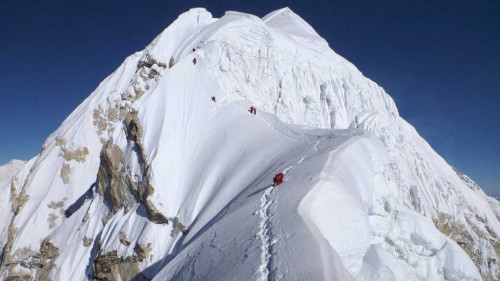
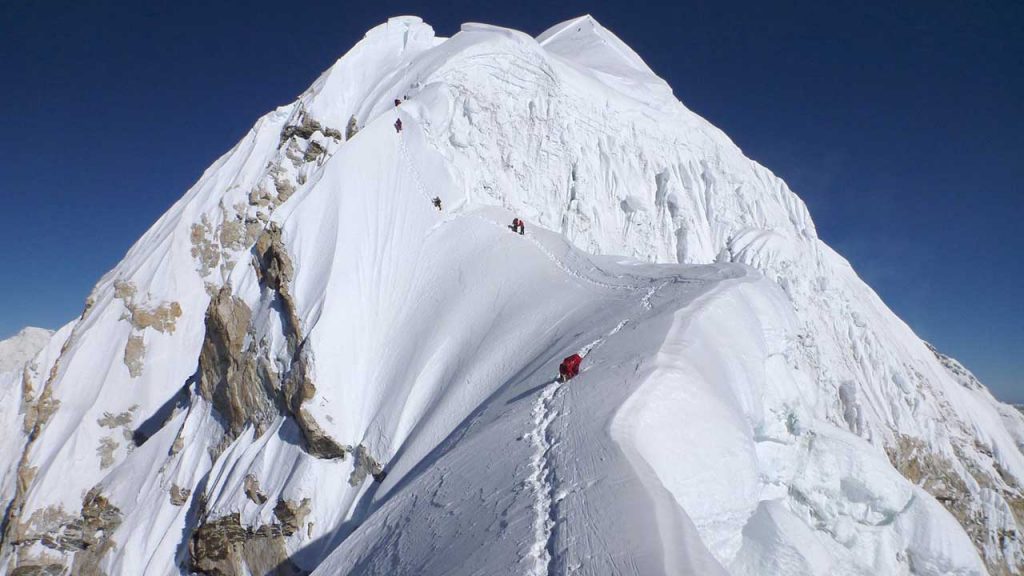
The Himlung Himal Expedition is a challenging mountaineering endeavor located in Nepal's Manaslu region, aiming to conquer the 7,126-meter Himlung Himal peak. Climbers undertake a technically demanding route along the northwest ridge, overcoming icefalls, crevasses, and steep slopes, while establishing base and high camps for acclimatization. The expedition typically takes place during the spring and autumn seasons, relying on the expertise of experienced mountaineers, Sherpa guides, and support staff to navigate the complexities of high-altitude climbing and weather conditions, culminating in a carefully timed summit push for those attempting to reach the peak's summit.

Highlights of Himlung Himal Expedition

  • Complete package of Annapurna Sanctuary trekking and climbing Himlung Himal. 
  • Trek via the immaculate Tibetan influenced Nar and Phu villages. 
  • Trek to Lo Manthang, Saribung Pass, Dharamshala, and Koto, all on Annapuran and Manaslu trekking routes. 
  • Naturally aesthetic and culturally enriched expedition to Western Nepal. 
  • Less technically demanding climb with high successful summit records. 
  • Camping style accommodation with properly maintained accommodation and meals.
  • The absolute climbing peak for 8,000 metres aspiring mountaineers, who wish to improve their climbing and navigation skills in mountains. 
  • IFMGA certified climbing guides, porters, and logistic support. 
  • Well-designed expedition package three high camps on summit route with adequate acclimatisation.

Himlung Himal Expedition - Trip Overview

Himlung Himal expedition at 7,126 metres, in Western Nepal is the ultimate trekking and climbing adventure. Why so? Well! You'll cover almost the entire Annapurna Sanctuary and Manaslu region in 35 days of the Himlung Himal expedition. For most, you’ll avoid the hectic route of Annapurna region and locate yourself around Manaslu Conservation Area. 

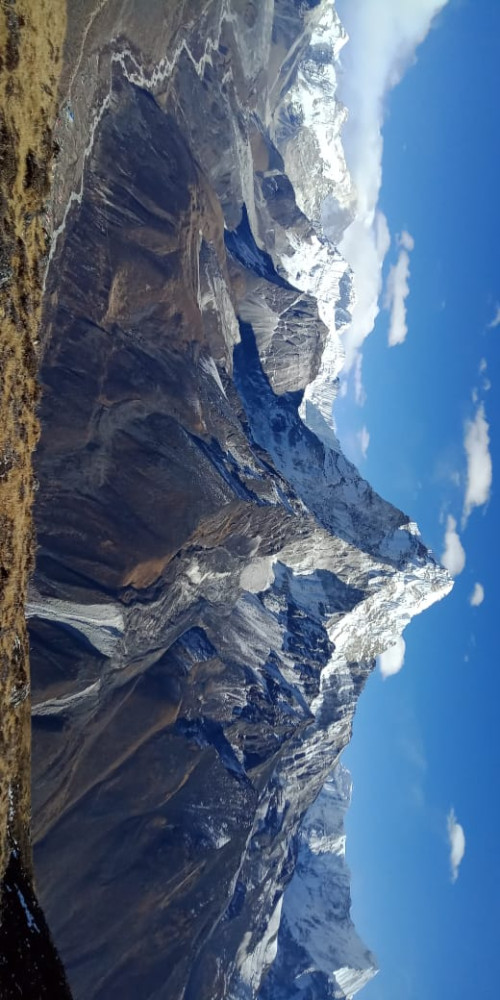
To those, who have previous 6,000 metres of peak climbing experience, climbing Himlung Himal is best. The PD-graded Himlung climb adds the hurdles of glaciers, but the summit climb is rewarding. The enticing glimpses of the Annapurna range, Machhapuchhre, Gangapurna, and Manaslu make the trip worthy. 

Before 1992, Nar-Phu valley was not accessible to foreigners. This region was autonomous and classified as a restricted area. But, after 1992, climbers and trekkers required special permits to access this landscape. Hence, the Annapurna region's gems like Himlung Himal came into mountaineers' notice. The Japanese climber

Himlung Himal Expedition- A bundle of Trek and Climbing

There are countless destinations in Western Nepal for trekking and peak climbing. Nar Phu valley, Jomsom, Lo Manthang, and Damodar Kunda are prominent trekking destinations. But on the Himlung Himal expedition, we'll trek to all these places before reaching Himlung Himal Base Camp. Also, we'll cross Saribung Pass at 6,030 metres before hiking to Phedi, Phu, and base camp. 

Himlung Himal - Ideal mountain to climb for aspiring 8,000er climber

Some Himlung Himal successful summiteers hold that climbing this peak is safe and straightforward. The best part of Himlung Himal climbing, there are no exposed ridges and snow-covered stone terrain. The climbers with 6,000 metres of peak climbing experience can sharpen their climbing skills while climbing Himlung Himal. Climbing this peak prepares for your 8,000 metres peak venture in the future. Hence, the Himlung Himal expedition is best for learning and gaining alpine experience.

Himlung Himal Expedition - Climbing route

Akio Koizumi climbed Himlung first and brought it into the climbing map. Since then, many climbers have successfully scaled this mountain. The second successful summit climb of Himlung took nearly 10 years in 2002 by an expedition team from France.

The comfortable climbing route of Himlung was pioneered by Swiss climber Kari Kobler in 2013. Compared to previous Himlung summit routes, this new route is far less arduous and is risk-free. You'll directly reach Northwestern Ridge's South Flank from Camp III and climb to the upper crest. 

Himlung Himal Expedition - Itinerary Overview

An 8-hour drive from Kathmandu takes us to Besisahar. After spending an overnight stay at Besisahar, we'll take a drive to Koto. We'll start hiking to Meta, Phu village in the following days.

The Nar-Phu villages on the base of Himlung Himal are an unspoiled gem of the isolated Gandaki region. Phu village, at 4,200 metres, is ideal for an acclimatisation stay. The day tour around this Tibetan-influenced ancient village gives you a chance to experience their ethnic lifestyle. 

We'll climb to 4,850 metres of pastureland, also Himlung Himal Base Camp, and stay for 15 days climbing. 

The route to climbing the Himlung Himal summit will have three High Camps, Camp I at 5,450 metres, Camp II at 6,000 metres, and Camp III at 6,350 metres. Our climbing guides will take you to these High Camps for rotational climbs and acclimatisation. Also, en route to these camps, you'll learn a handful of climbing skills. 

We'll push for the Himlung Himal summit on a perfect climbing window favoured by stable temperature. We'll try to take every expedition member to the Himlung Himal summit and back to base camp successfully. 

Himlung Himal expedition in Autumn 2022 and Spring 2023

We, World Expedition Nepal, employ IFMGA certified climbing guides and sherpa for every expedition we run. Also, we design every expedition with precise logistics and acclimatisation. 

World Expedition Nepal is running Himlung Himal climbing and expeditions for Autumn 2022 and Spring 2023. After a long Covid pandemic, climbers from different countries are making their inquiries about expeditions in Nepal. So, we are receiving inquiries for trekking, peak climbings, and mountain expeditions. We are overwhelmed with the inquiries we are receiving at this time. Also, most climbers who make inquiries with us are reserving their seats for Himlung Himal expedition in Autumn 2022 and for Spring 2023. 

We operate every expedition with a fixed number of clients. Thus, we encourage you to reserve your seat before it fills out. We are ready to take you to climb Himlung Himal for Autumn 2022 and Spring 2023. Are you ready?

Why World Expedition Nepal for Himlung Himal Expedition?

World Expedition Nepal focuses on and promotes peak climbing and expeditions in Nepal. We have been providing tour services since 2017 by registered and licensed under Nepal Government. In the Annapurna expeditions, we'll make sure that you'll have complete joy alongside the adventure of high-altitude climbing. 

Our professional and experienced guides will ensure your utmost comfort and safety on Himlung Himal climbing. We'll make this tour an unforgettable experience for you. Also, the health and safety of our clients is our primary motto. Our guides for these expeditions have mountain skills certification. They come with expertise in mountain medicine, first aid, and rescue operations.

Safety practice in Himlung Himal expedition

World Expedition Nepal focuses on the safety of climbers, guides, and Sherpa on every expedition. 

For the Himlung Himal expedition, we'll divide three climbers into one Sherpa. The climbing Sherpa with experience in mountaineering comes with various 6,000 metres peak experiences. Also, they're fluent in English for better communication. 

Further, we'll have a safety manager, weather forecast, high altitude consultant, and radio communication 24/7. Our Sherpa guides will fix the ropes at the climbing route. Our climbing guide will give instructions and training to you throughout this expedition. 

For emergencies, we'll also have a helicopter rescue operation. Thus, the Himlung Himal expedition is safe from every aspect. 

Himlung Himal Expedition Itinerary

Expand All Close All

Arrival in Kathmandu

Morning:

  • You arrive at Tribhuvan International Airport (TIA) in Kathmandu, Nepal.
  • After disembarking from the aircraft, you proceed through immigration and customs procedures. Ensure you have all necessary travel documents, including your passport, visa, and any required permits.

Airport Arrival:

  • As you exit the airport terminal, you are greeted by The World Expedition Nepal's representatives.
  • The World Expedition Nepal's staff will likely be holding a sign with the expedition name or your name to make it easier to identify them.

Transfer to Hotel:

  • After meeting World Expedition Nepal's staff, you will be escorted to a waiting vehicle, typically a private van or bus.
  • The vehicle will transport you to the hotel where you will be staying in Kathmandu.

Hotel Check-In:

  • Upon arriving at the hotel, you will go through the check-in process. Provide your identification and any required information.
  • You may be asked to complete some paperwork or sign forms related to the expedition.

Expedition Briefing:

  • Once you've settled into your room and freshened up, there might be an expedition briefing scheduled for the day or the next morning.
  • During the briefing, you'll receive detailed information about the expedition, including the itinerary, equipment list, safety guidelines, and other important details.
  • You'll have the chance to ask questions and clarify any concerns you might have.

Rest and Leisure:

  • After the briefing, you can take the opportunity to rest, explore the hotel's facilities, or venture out to nearby areas in Kathmandu if time allows.
  • Kathmandu offers a wealth of cultural and historical attractions, and you might want to take a walk around the local neighborhood or visit a nearby market.

Evening:

  • Enjoy dinner at the hotel's restaurant or explore local restaurants for a taste of Nepali cuisine.
  • Take this time to rest and recover from your journey and adjust to the new time zone.

Overnight stay in Kathmandu.

Food
all meals during trek including tea and coffee 
Accomodation
Lodge
Elevation
1345

Kathmandu - Permit Issue, Preparation, Last-Minute Shopping, and Briefing

Morning:

  • Start your day with breakfast at the hotel's restaurant.

Permit Issue:

  • World Expedition Nepal's staff will assist you in acquiring any remaining permits needed for the expedition.
  • They will guide you through the process, ensuring all necessary paperwork is completed accurately.
  • Permits might include climbing permits, conservation area permits, and any other relevant documents.

Equipment Check and Preparation:

  • Before the briefing, conduct a thorough check of your personal climbing gear and equipment.
  • Verify that everything is in proper working condition and packed appropriately for the expedition.

Last-Minute Shopping:

  • If you still need to acquire or rent any equipment or supplies, expedition staff can guide you to local shops and rental outlets.
  • Popular items might include specialized climbing gear, clothing, footwear, and personal items.

Expedition Briefing:

  • Attend a comprehensive expedition briefing conducted by the expedition leader or guide.
  • During the briefing, you'll receive detailed information about the upcoming days, daily routines, acclimatization plans, and climbing schedule.
  • Safety measures, communication protocols, and emergency procedures will also be discussed.
  • You'll have the opportunity to ask questions and clarify any concerns you might have.

Lunch Break:

  • Enjoy lunch either at the hotel or in a local restaurant.

Preparation Time:

  • After the briefing, you'll have time to finalize your packing and prepare your gear for the upcoming days.
  • Double-check that you have all necessary items and that everything is organized efficiently.

Rest and Relaxation:

  • Take some time to relax and mentally prepare for the expedition.
  • Rest and recharge, as the coming days will involve physical challenges and altitude adjustment.

Evening:

  • Have dinner at the hotel or explore dining options in Kathmandu.

Restful Night:

  • Ensure you get a good night's sleep to be well-rested for the start of the trekking portion of the expedition.
Food
all meals during trek including tea and coffee 
Accomodation
Hotel
Elevation
1345

Kathmandu to Besisahar (760m) - Drive

Morning:

  • Begin our day with an early breakfast at the hotel.

Departure from Kathmandu:

  • After breakfast, assemble our belongings and be ready for departure.
  • The World Expedition Nepal's staff will guide you to the transportation arranged for the journey.

Drive to Besisahar:

  • Start the drive from Kathmandu to Besisahar, the gateway to the Annapurna region.
  • The drive takes approximately 5-6 hours, depending on road conditions and traffic.

Scenic Views:

  • The journey offers picturesque views of Nepal's landscapes, including countryside villages, terraced fields, and the Trishuli River.

Local Break:

  • Depending on the route and timing, there might be a stop for a quick break or a chance to enjoy refreshments at a local eatery.

Lunch En Route:

  • If the journey takes us into the afternoon, we'll likely have a stop for lunch at a suitable restaurant along the route.

Arrival in Besisahar:

  • Upon reaching Besisahar, we'll notice a change in climate and scenery compared to Kathmandu.
  • Besisahar is a town in the Lamjung District and serves as a popular starting point for treks in the Annapurna region.

Check-In and Rest:

  • Arrive at our accommodation in Besisahar and complete the check-in process.
  • We'll have some time to rest and relax after the long drive.

Exploration (Optional):

  • If time permits and we're feeling up to it, we can take a short stroll around Besisahar to get a sense of the local atmosphere.

Dinner:

  • Enjoy dinner at the accommodation's restaurant or explore local dining options.

Restful Evening:

  • After dinner, unwind and get a good night's sleep in preparation for the trekking portion of the expedition.

Overnight stay in Beshisahar.

Food
all meals during trek including tea and coffee 
Accomodation
Lodge
Elevation
760

Besisahar to Koto (2600m) - Drive

Morning:

  • Start our day early with breakfast at our accommodation in Besisahar.

Departure from Besisahar:

  • After breakfast, gather our belongings and meet with World Expedition Nepal.
  • Depart from Besisahar to continue our journey toward Koto.

Drive to Koto:

  • The drive from Besisahar to Koto takes approximately 6-7 hours, subject to road conditions, traffic, and other factors.

Scenic Views and Landscapes:

  • Enjoy the changing scenery as we ascend in elevation. The landscapes may include terraced fields, charming villages, and mountainous terrain.

Local Break:

  • Depending on the route and timing, there might be a break for a rest and refreshments at a local eatery.

Lunch En Route:

  • Plan for a stop for lunch at a suitable restaurant along the route to refuel and take a break.

Arrival in Koto:

  • Upon reaching Koto, we'll feel the increased elevation and the cooler mountain air.
  • Koto is a village located in the Manang District, part of the Annapurna Conservation Area.

Check-In and Rest:

  • Arrive at our accommodation in Koto and complete the check-in process.
  • Take some time to rest and recover from the journey.

Exploration (Optional):

  • If we have the energy and time, consider taking a short walk around Koto to acclimate to the altitude and enjoy the surroundings.

Dinner:

  • Enjoy a hearty dinner at the accommodation's restaurant or explore local dining options.

Evening Rest:

  • After dinner, relax and get a good night's sleep in preparation for the upcoming days of trekking and acclimatization.

Overnight stay in Koto.

Food
all meals during trek including tea and coffee 
Accomodation
Lodge
Elevation
2600

Morning:

  • Begin our day with an early breakfast at our accommodation in Koto.
  • Prepare our daypack and ensure we have all necessary trekking essentials.

Trek Start:

  • Meet up with our expedition team and guides to start the day's trekking.
  • Set out from Koto, leaving the village behind as we venture deeper into the mountains.

Trail and Terrain:

  • The trail will lead us through varied landscapes, including forests, rocky paths, and possibly suspension bridges over rivers.
  • As we ascend in elevation, the scenery will change, offering new views and challenges.

Local Villages:

  • Pass through or near local villages along the route, offering opportunities to observe local life and culture.

Lunch Break:

  • Plan for a midday break to enjoy lunch and rest. Our guides will help us find a suitable spot for a break.

Scenic Views:

  • Throughout the trek, we'll have the chance to enjoy breathtaking views of the surrounding mountains and valleys.

Arrival in Meta:

  • After 4-5 hours of trekking, we'll reach the village of Meta, located at an elevation of 3560 meters.
  • Meta is a small village with basic amenities and a warm local atmosphere.

Accommodation and Rest:

  • Arrive at our guesthouse or lodge in Meta and check-in.
  • Take time to rest and relax after the day's trek.

Exploration (Optional):

  • If you have energy and time, you might explore the vicinity of Meta, taking in the mountain views and local scenery.

Dinner:

  • Enjoy a well-deserved dinner at the guesthouse's dining area, where you can refuel and socialize with fellow trekkers.

Evening Leisure:

  • Spend the evening resting and enjoying the mountain ambiance.
  • Share stories and experiences with our fellow trekkers and interact with the local community.

Restful Night:

  • Get a good night's sleep to recharge for the next day's trekking adventure.

Overnight stay in Meta.

Food
all meals during trek including tea and coffee 
Accomodation
Trek Lodge
Elevation
3560

Day 6: Trek from Meta to Kyang (3840m) - 5-6 hours

Morning:

  • Begin our day with a nourishing breakfast at our guesthouse in Meta.
  • Pack our daypack with essentials and prepare for the day's trek.

Trek Start:

  • Gather with our expedition team and guides to commence our trekking for the day.
  • Set off from Meta, leaving behind the village and its surroundings.

Trail and Terrain:

  • The trail will lead us through varying landscapes, including forests, rocky paths, and possible river crossings.
  • As we gain elevation, be prepared for changing weather conditions and thinner air.

Local Villages and Views:

  • Pass by or near local villages on our journey, offering insights into the daily life of mountain communities.
  • Enjoy panoramic views of the surrounding mountains and valleys.

Lunch Break:

  • Plan for a midday break to rest and enjoy lunch. Our guides will assist in finding a suitable spot for a break.

Scenic Surroundings:

  • Throughout the trek, we'll be treated to awe-inspiring vistas, including the rugged beauty of the Himalayan landscape.

Arrival in Kyang:

  • After 5-6 hours of trekking, we'll arrive at Kyang, situated at an elevation of 3840 meters.
  • Kyang is a small settlement, likely offering basic accommodations and a tranquil mountain environment.

Check-In and Rest:

  • Reach your accommodation in Kyang and complete the check-in process.
  • Take time to relax and recover from the day's trek.

Optional Exploration:

  • If we have the energy and curiosity, consider exploring the vicinity of Kyang to soak in the local atmosphere.

Dinner:

  • Enjoy a satisfying dinner at the guesthouse's dining area, replenishing our energy after a day of trekking.

Evening Relaxation:

  • Spend the evening in a leisurely manner, enjoying the peaceful surroundings and camaraderie with fellow trekkers.

Restful Night:

  • Ensure a good night's sleep to prepare for the upcoming trekking days.
Food
all meals during trek including tea and coffee 
Accomodation
Trek Lodge
Elevation
3840

Trek from Kyang to Phu Gaun (3900m) - 5-6 hours

Morning:

  • Begin our day with a hearty breakfast at our guesthouse in Kyang.
  • Organize our daypack and ensure we have all necessary items for the trek.

Trek Start:

  • Meet up with our expedition team and guides to start our trekking journey.
  • Depart from Kyang, setting off towards Phu Gaun.

Trail and Landscape:

  • The trail will lead us through diverse terrains, including rocky paths, alpine meadows, and perhaps river crossings.
  • Prepare for changes in elevation and weather as we ascend further into the mountains.

Village Encounters:

  • Pass by local villages on our route, where we can observe local customs and interact with residents.
  • Enjoy the opportunity to learn about the mountain culture firsthand.

Lunch Break:

  • Allocate time for a midday break to rest and refuel with lunch. Our guides will help us find a suitable spot to stop.

Scenic Beauty:

  • Embrace the picturesque views of the surrounding Himalayan landscapes throughout our trek.

Arrival in Phu Gaun:

  • After 5-6 hours of trekking, we'll arrive at Phu Gaun, situated at an elevation of 3900 meters.
  • Phu Gaun is a remote village with a unique cultural and historical significance.

Check-In and Rest:

  • Arrive at our designated guesthouse or lodge in Phu Gaun and complete the check-in process.
  • Take time to relax and rejuvenate after a day of trekking.

Optional Exploration:

  • If we have energy and curiosity, consider taking a walk around Phu Gaun to immerse ourself in the local environment.

Dinner:

  • Enjoy a satisfying dinner at the guesthouse's dining area, sharing stories and experiences with fellow trekkers.

Evening Tranquility:

  • Spend the evening embracing the peaceful ambiance of Phu Gaun, interacting with the local community or simply unwinding.

Restful Night:

  • Ensure a restful night's sleep to prepare for the subsequent days of trekking.

Overnight stay in Phu Gaun.

Food
all meals during trek including tea and coffee 
Accomodation
Trek Lodge
Elevation
3900

Acclimatization at Phu Gaun (Rest Day)

Morning:

  • Begin our rest day with a leisurely breakfast at our guesthouse in Phu Gaun.
  • Take this opportunity to enjoy a slower start to the day and savor the peaceful mountain atmosphere.

Rest and Acclimatization:

  • The primary goal of this day is to allow our body to further acclimate to the higher elevation and thinner air.
  • Take the day to rest, relax, and adjust to the altitude, which is essential for our well-being and successful climbing ahead.

Exploration and Cultural Interaction:

  • While this is a rest day, we can still explore the surroundings of Phu Gaun and engage with the local community.
  • Consider taking short walks or hikes around the village to enjoy the scenic views and learn about the local culture and way of life.

Local Interaction:

  • Interact with the residents of Phu Gaun to gain insights into their daily activities, traditions, and customs.
  • Engaging with the local community can enrich our understanding of the region and its people.

Photography and Relaxation:

  • Capture the breathtaking landscapes and the unique architecture of the village through photography.
  • Spend time unwinding, reading, or simply soaking in the tranquil mountain ambiance.

Lunch:

  • Enjoy a relaxing lunch at our guesthouse, savoring a meal that replenishes our energy.

Optional Activities:

  • Some optional activities might include a visit to nearby viewpoints or historical sites, yoga, or meditation to enhance our acclimatization experience.

Dinner and Evening:

  • Have a wholesome dinner at the guesthouse's dining area, engaging in conversations with fellow trekkers and guides.

Restful Night:

  • Get a good night's sleep to ensure we're well-rested for the upcoming days of trekking and climbing.
Food
all meals during trek including tea and coffee 
Accomodation
Trek Lodge
Elevation
3900

Day 9: Trek from Phu Gaun to Himlung Base Camp (4900m) - 6-7 hours

Morning:

  • Start our day with an early breakfast at our guesthouse in Phu Gaun.
  • Ensure we're well-prepared for the day's trek with appropriate clothing, gear, and hydration.

Trek Commencement:

  • Gather with our expedition team and guides to initiate the trekking journey.
  • Begin our trek from Phu Gaun, leaving the village and its surroundings behind.

Trail and Landscape:

  • The trail will take us through diverse terrains, which might include rocky paths, glacial moraines, and alpine landscapes.
  • Prepare for changes in elevation and possible weather variations as we ascend further into the mountains.

Challenges and Rewards:

  • The journey might present challenges due to the altitude and terrain. However, the rewards include stunning views and a sense of accomplishment.

Village En Route:

  • Depending on the specific route, we might pass by or near smaller settlements along the way.
  • These encounters offer insights into local mountain life and culture.

Lunch Break:

  • Allocate time for a midday break to rest and recharge with lunch. Our guides will select a suitable spot for a break.

Scenic Vistas:

  • Throughout the trek, relish the awe-inspiring vistas of the surrounding Himalayan landscapes.

Arrival at Himlung Base Camp:

  • After 6-7 hours of trekking, we'll arrive at Himlung Base Camp, situated at an elevation of 4900 meters.
  • Himlung Base Camp serves as the starting point for our ascent of Himlung Himal.

Check-In and Rest:

  • Reach the designated campsite or accommodation at Himlung Base Camp.
  • Complete the check-in process and take time to rest and rejuvenate after a challenging day of trekking.

Evening Relaxation:

  • Spend the evening in the peaceful ambiance of the base camp, mingling with fellow expedition members.

Dinner:

  • Enjoy a nourishing dinner at the camp's dining area, sharing stories and experiences with our fellow trekkers.

Restful Night:

  • Get a good night's sleep, as adequate rest is crucial for our physical and mental well-being at higher elevations.

Overnight stay in Himlung Base Camp.

Food
all meals during trek including tea and coffee 
Accomodation
Tented Camp
Elevation
4900

Morning:

  • Begin each day with a nourishing breakfast at Himlung Base Camp.
  • Prepare our equipment and gear for the day's climbing and acclimatization activities.

Trek to Camp I:

  • Start the day's journey by trekking from Himlung Base Camp to Camp I, located at a higher altitude.
  • The trek might take several hours, and we'll be gradually acclimatizing to the elevation gain.

Camp I:

  • Arrive at Camp I and set up temporary accommodations.
  • Spend time at this camp to further acclimate to the altitude and challenging conditions.

Acclimatization Activities:

  • During our stay at Camp I, we might engage in acclimatization activities, such as short hikes and climbing exercises.
  • These activities help our body adjust to the higher elevation and prepare for the summit attempt.

Trek to Camp II:

  • Once acclimatized at Camp I, proceed to Camp II, which is situated at an even higher elevation.
  • The trek to Camp II is likely to be more challenging, requiring careful navigation of difficult terrain.

Camp II:

  • Arrive at Camp II and set up tents for our stay.
  • Spend several days at Camp II to further enhance our acclimatization and preparation for the summit push.

Technical Training:

  • While at Camp II, our guides might provide technical training sessions to refine climbing techniques and safety procedures.
  • These sessions ensure that we're well-prepared for the challenges of higher altitudes and challenging terrain.

Summit Strategy:

  • During the rotation phase, our expedition leader and guides will assess weather conditions and make decisions regarding the summit push.
  • Discussions about timing, route, and safety measures are crucial for a successful summit attempt.

Trek Back to Base Camp:

  • After completing the rotation phase, return to Himlung Base Camp to rest and recover.
  • The trek back to base camp allows for a gradual descent and additional acclimatization.

Rest and Recovery:

  • Spend time at Himlung Base Camp resting, recuperating, and mentally preparing for the summit push.

Overnight stay in Tented Camp.

Food
all meals during trek including tea and coffee 
Accomodation
Tented Camp
Elevation
4900

Summit Push - Base Camp to Himlung Summit (7126m) and back to Base Camp

Morning:

  • Begin each day with an early start to maximize daylight and optimize weather conditions.
  • Have a nourishing breakfast at Himlung Base Camp before embarking on the summit push.

Trek to Higher Camps:

  • Begin the ascent from Himlung Base Camp to higher camps, such as Camp I and Camp II, using the established route.

Camp I or Camp II:

  • Depending on the itinerary and acclimatization plan, we might stay at a higher camp for additional acclimatization and rest.

Summit Preparation:

  • During our stay at the higher camps, finalize preparations for the summit push.
  • Double-check our gear, review climbing techniques, and ensure we're mentally prepared for the challenge ahead.

Summit Night:

  • Depending on the expedition plan, we might embark on the summit push during the night to take advantage of favorable conditions.

Summit Ascent:

  • Start the climb towards the Himlung Summit (7126m), following the carefully planned route.
  • Climbing at higher altitudes requires focused effort and the use of climbing gear and techniques.

Summit Arrival:

  • Upon reaching the Himlung Summit, celebrate our achievement and take in the breathtaking panoramic views of the surrounding Himalayan peaks.

Summit Moments:

  • Spend a brief but memorable time at the summit, capturing photographs and enjoying the satisfaction of reaching our goal.

Descent to Base Camp:

  • Begin the descent from the summit back to Camp I or Camp II, depending on the established plan.

Lower Camps:

  • Spend the night at a lower camp during the descent, allowing our body to gradually adjust to the decreasing altitude.

Trek Back to Base Camp:

  • Continue the descent from the lower camp to Himlung Base Camp, completing the summit push phase.

Rest and Recovery:

  • Arriving back at Himlung Base Camp, focus on rest, rehydration, and recovery.
  • Reflect on your accomplishment and share experiences with fellow climbers.

Debrief and Celebration:

  • Partake in a debriefing session with expedition leaders and guides to discuss the summit push, challenges, and successes.

Recovery Days:

  • Allocate a couple of days at Himlung Base Camp for recovery, relaxation, and reflection on the journey.

Overnight stay in Base Camp.

Food
all meals during trek including tea and coffee 
Accomodation
Tented Camp
Elevation
4900

Post-Summit Phase: Cleaning and Packing for Departure

Morning:

  • Start our day with breakfast at Himlung Base Camp, reflecting on our successful summit push.

Cleaning and Organizing:

  • Begin the process of cleaning and organizing our personal space and equipment at the base camp.
  • Collect any trash or waste generated during our stay and ensure proper disposal according to Leave No Trace principles.

Gear Maintenance:

  • Inspect our climbing gear and equipment for any damage or wear and tear.
  • Clean and store our gear properly to ensure it remains in good condition for future adventures.

Campsite Cleanup:

  • Participate in the collective effort to clean up the base camp area, removing any traces of our expedition.
  • This includes dismantling tents, removing stakes, and restoring the site to its natural state.

Packing:

  • Begin packing our personal belongings, clothing, and equipment into our bags or duffels.
  • Make sure everything is neatly organized and packed efficiently.

Checklist:

  • Consult a checklist to ensure we're not leaving anything behind. This includes personal items, climbing gear, and shared equipment.

Final Farewells:

  • Take time to bid farewell to fellow climbers, guides, and support staff who shared the journey with us .
  • Express our gratitude and exchange contact information for future connections.

Lunch:

  • Enjoy a final meal at Himlung Base Camp, celebrating the successful completion of our expedition.

Departure Preparations:

  • Assemble at a designated meeting point to prepare for departure.
  • Make sure we have all necessary permits, documents, and personal items before leaving.

Last Glance:

  • Take a final look at the base camp and surrounding mountains, cherishing the memories of our achievement.

Return Journey:

  • Begin the descent from Himlung Base Camp, retracing our steps along the trekking route.

Arrival at Lower Camps:

  • Depending on the expedition plan, we might spend a night at Camp I or Camp II during our descent.

Final Departure:

  • Continue the descent from the lower camps back to Phu Gaun or Himlung Base Camp, completing the journey.

Evening:

  • Arrive at our destination for the evening, whether it's Phu Gaun or Himlung Base Camp.
  • Take time to rest, share stories, and reflect on our remarkable journey.

Overnight stay in Base Camp.

Food
all meals during trek including tea and coffee 
Accomodation
Tented Camp
Elevation
4900

Departure Day: Trek from Base Camp to Phu Gaun (3900m) - 6-7 hours

Morning:

  • Begin our departure day with an early start to maximize daylight hours for trekking.
  • Have a simple breakfast at Himlung Base Camp and prepare for our journey.

Trek Start:

  • Bid farewell to Himlung Base Camp and start our trek back towards Phu Gaun.
  • Begin the descent, retracing the route we took during our ascent.

Trail Descent:

  • Enjoy the familiar scenery as we descend from the higher elevations.
  • Take our time on the downhill path, as it can be strenuous on our knees and joints.

Village Views:

  • Pass by or near the villages we  encountered on our way up, enjoying a different perspective of the landscape.

Lunch Break:

  • Plan for a midday break to rest and refuel with lunch. Our guides will find a suitable spot for the break.

Scenic Descents:

  • As we descend, relish the sweeping views of the Himalayan vistas and the surrounding valleys.

Arrival in Phu Gaun:

  • After 6-7 hours of trekking, we'll arrive at Phu Gaun, the village we stayed in during our acclimatization phase.
  • Phu Gaun's warm atmosphere welcomes us back after our successful expedition.

Accommodation and Rest:

  • Reach our guesthouse or lodge in Phu Gaun and complete the check-in process.
  • Take time to relax and recover from the day's descent.

Exploration (Optional):

  • If you have energy and time, consider taking a short walk around Phu Gaun to reconnect with the local environment.

Dinner:

  • Enjoy a satisfying dinner at the guesthouse's dining area, reflecting on our journey and achievements.

Evening:

  • Spend the evening reminiscing about our expedition, sharing stories with fellow trekkers, and relaxing.

Restful Night:

  • Ensure a good night's sleep to recharge after the trekking day and prepare for the next phase of our journey.

Overnight stay in Phu Gaun.

Food
all meals during trek including tea and coffee 
Accomodation
Lodge
Elevation
3900

Return Trek: Trek from Phu Gaun to Meta (3560m) - 6-7 hours

Morning:

  • Start our day early with breakfast in Phu Gaun, enjoying the peaceful mountain morning.

Trek Commencement:

  • Gather our belongings and meet with our expedition team to begin our return trek.
  • Depart from Phu Gaun, leaving behind the village and its surroundings.

Trail Descent:

  • Begin our descent towards Meta, retracing the path we took during our ascent.
  • Take in the changing views as we descend to lower elevations.

Local Villages and Landscape:

  • Pass by local villages along the route, offering insights into the daily lives of mountain communities.
  • Embrace the diverse landscapes, from rocky paths to forested trails.

Lunch Break:

  • Allocate time for a midday break to rest and enjoy lunch. Our guides will help us find a suitable spot.

Scenic Views:

  • As we trek downhill, appreciate the panoramic vistas of the Himalayan mountains and valleys.

Arrival in Meta:

  • After 6-7 hours of trekking, we'll arrive back in Meta, where we stayed during our initial ascent.
  • Meta's familiar surroundings offer a sense of comfort as we complete the loop.

Accommodation and Rest:

  • Reach our accommodation in Meta and check-in.
  • Relax and unwind after a day of trekking, reflecting on our journey.

Exploration (Optional):

  • If you have the energy and time, consider taking a short walk around Meta to revisit the village's atmosphere.

Dinner:

  • Enjoy a hearty dinner at the accommodation's dining area, sharing stories with fellow trekkers.

Evening Relaxation:

  • Spend the evening in a leisurely manner, soaking in the mountain ambiance and camaraderie.

Restful Night:

  • Ensure a good night's sleep to recharge for the next day's trekking.
Food
all meals during trek including tea and coffee 
Accomodation
Trek Lodge
Elevation
3560

Return Trek: Trek from Meta to Koto (2600m) - 5-6 hours

Morning:

  • Start our day with breakfast in Meta, preparing for our trekking journey.

Trek Start:

  • Meet with our expedition team and guides to begin our trek back to Koto.
  • Bid farewell to Meta as we set out on the trail.

Trail Descent:

  • Embark on the descent towards Koto, enjoying the familiar surroundings as we retrace our steps.
  • As we descend, we'll likely notice the changes in altitude and climate.

Passing Villages and Scenery:

  • Pass by local villages and settlements along the way, offering glimpses into the lives of the residents.
  • Enjoy the scenic beauty of the landscapes, from forested areas to open spaces.

Lunch Break:

  • Allocate time for a midday break to rest and have lunch. Our guides will find a suitable spot.

Views and Reflections:

  • While descending, take the opportunity to enjoy the views of the Himalayan peaks and valleys.

Arrival in Koto:

  • After 5-6 hours of trekking, we'll arrive back in Koto, the gateway village to the Annapurna region.
  • Koto's welcoming atmosphere marks the conclusion of our trekking journey.

Accommodation and Rest:

  • Reach our guesthouse or lodge in Koto and complete the check-in process.
  • Relax and rejuvenate after a day of trekking, appreciating the lower altitude.

Exploration (Optional):

  • If you have the energy and time, consider taking a short walk around Koto to explore the surroundings.

Dinner:

  • Enjoy a satisfying dinner at the guesthouse's dining area, sharing stories with fellow trekkers.

Evening Relaxation:

  • Spend the evening reflecting on our journey, connecting with fellow trekkers, and enjoying the local ambiance.

Restful Night:

  • Ensure a good night's sleep to rest and prepare for the final phase of our journey.

 Overnight stay in Koto.

Food
all meals during trek including tea and coffee 
Accomodation
Trek Lodge
Elevation
2600

Return Drive: Koto to Besisahar - 6-7 hours

Morning:

  • Begin our day with breakfast in Koto, preparing for the return journey.

Departure from Koto:

  • Meet with our expedition team and guides to start our road journey back to Besisahar.
  • Bid farewell to Koto as we embark on the drive.

Drive to Besisahar:

  • The drive from Koto to Besisahar typically takes around 6-7 hours, subject to road conditions and traffic.

Scenic Views:

  • Enjoy the scenic views as we descend from the mountains and travel through different landscapes.

Local Break:

  • Depending on the route and timing, there might be a stop for rest and refreshments at local places along the way.

Lunch En Route:

  • Plan for a stop for lunch at a suitable restaurant during the drive.

Arrival in Besisahar:

  • After the drive, we'll arrive back in Besisahar, where our journey in the Annapurna region began.
  • Besisahar's bustling environment marks the conclusion of our return journey.

Accommodation and Rest:

  • Check-in to our accommodation in Besisahar and take time to relax after the drive.

Reflection and Farewell:

  • Spend some time reflecting on our expedition and the memories we've made.
  • Consider having a farewell dinner with our expedition team and guides to celebrate the journey.

Restful Night in Beshisahar:

  • Ensure a good night's sleep to rest and prepare for our departure from Besisahar.
Food
all meals during trek including tea and coffee 
Accomodation
Hotel
Elevation
760

Drive from Besisahar to Kathmandu & Hotel Transfer

Morning:

  • Begin our day with breakfast in Besisahar, preparing for the final leg of our journey.

Departure from Besisahar:

  • Meet with our expedition team and guides to start the road journey back to Kathmandu.
  • Bid farewell to Besisahar as we set out on the drive.

Drive to Kathmandu:

  • The drive from Besisahar to Kathmandu typically takes several hours, depending on road conditions and traffic.
  • Enjoy the changing scenery as we transition from the rural landscapes to the urban environment of Kathmandu.

En Route Breaks:

  • Depending on the route and timing, there might be stops for rest, refreshments, and stretching along the way.

Lunch Stop:

  • Plan for a lunch break at a suitable restaurant during the drive.

Arrival in Kathmandu:

  • After the drive, we'll arrive in Kathmandu, where our journey started.
  • Kathmandu's vibrant energy welcomes us back to the city.

Hotel Transfer:

  • Upon arrival in Kathmandu, our transportation will take you to your hotel.
  • Check-in to your hotel and settle into your accommodation.

Rest and Relaxation:

  • Take time to rest and relax after the long drive and your expedition.
  • Reflect on your journey and the memories you've made.

Exploration (Optional):

  • Depending on your arrival time, you might have the opportunity to explore the city or do some last-minute shopping.

Dinner:

  • Enjoy a meal at the hotel's restaurant or explore nearby dining options.

Evening:

  • Spend the evening at your leisure, perhaps sharing stories and experiences with fellow trekkers.

Restful Night Kathmandu :

  • Ensure a good night's sleep in the comfort of your hotel room.
Food
all meals during trek including tea and coffee 
Accomodation
Lodge
Elevation
1345

A leisure day in Kathmandu City provides you with the opportunity to explore and enjoy the rich cultural heritage, vibrant atmosphere, and unique attractions that the city has to offer.

Leisure Day in Kathmandu City

Morning:

  • Start our day with a relaxed breakfast at our hotel, savoring local or international cuisine.

Sightseeing Options:

  • Explore some of Kathmandu's iconic cultural sites. Popular options include:
    • Swayambhunath Stupa (Monkey Temple): Visit this ancient stupa located atop a hill, offering panoramic views of the city.
    • Pashupatinath Temple: Explore this sacred Hindu temple complex and witness rituals along the Bagmati River.
    • Boudhanath Stupa: Visit one of the largest stupas in Nepal, a UNESCO World Heritage Site, and immerse yourself in the spiritual atmosphere.

Lunch Break:

  • Enjoy lunch at a local restaurant, trying traditional Nepali dishes or international cuisine.

Exploration and Shopping:

  • Spend the afternoon exploring the bustling streets of Thamel, a popular tourist hub known for its shops, markets, and eateries.
  • Shop for souvenirs, handicrafts, clothing, and more. Don't forget to bargain for the best prices.

Coffee and Relaxation:

  • Take a break at a cafe or tea house, sipping on local tea or coffee and people-watching.

Optional Activities:

  • Depending on your interests, you might consider:
    • Visiting local art galleries and museums to learn about Nepal's history and art.
    • Taking a traditional cooking class to learn how to prepare Nepali cuisine.
    • Participating in a guided city tour for in-depth insights into Kathmandu's cultural heritage.

Dinner:

  • Enjoy a leisurely dinner at a restaurant of your choice, sampling more of Nepal's delicious flavors.

Evening:

  • Spend the evening strolling around Durbar Square, another UNESCO World Heritage Site, and admire the ancient architecture and temples.

Nightlife (Optional):

  • Kathmandu's nightlife offers a variety of options, including live music venues, rooftop bars, and cultural performances.

Restful Night:

  • Return to our hotel, reflecting on your day of exploration and relaxation in Kathmandu.
Food
all meals during trek including tea and coffee 
Accomodation
Lodge
Elevation
1345

On your final day in Kathmandu, the main activity will be arranging your transfer to the international airport for your departure.

Departure Day: Transfer to International Airport

Morning:

  • Begin your day with breakfast at your hotel, taking your time to pack and organize your belongings.

Check-Out:

  • Complete the check-out process at your hotel, settling any outstanding bills and returning room keys if needed.

Last-Minute Exploration (Optional):

  • If you have some time before your departure, you might consider a brief exploration or revisit a favorite spot in Kathmandu.

Final Shopping:

  • If there are any last-minute souvenirs or gifts you'd like to purchase, this is your chance to do so.

Lunch:

  • Have lunch at your hotel's restaurant or at a nearby eatery, savoring your final meal in Nepal.

Transfer to International Airport:

  • Your transportation service will pick you up from your hotel and transfer you to Tribhuvan International Airport.
  • Make sure to leave the hotel with plenty of time before your flight's departure.

Airport Procedures:

  • Arrive at the airport and complete the check-in and security procedures for your flight.
  • Keep your travel documents, passport, and boarding pass easily accessible.

Final Moments:

  • While waiting for your flight, you might reflect on your memorable journey and experiences in Nepal.

Departure:

  • Board your flight, saying goodbye to Nepal and the amazing memories you've created.
Food
all meals during trek including tea and coffee 
Accomodation
Lodge
Elevation
1345

Service Includes on Cost

Service Excludes on Cost

Himlung Himal Expedition Altitude Profile

Himlung Himal Expedition (FAQs)

The Himlung Himal Expedition is a challenging endeavor that requires careful planning, physical fitness, and mental resilience.

Here are some of the difficulties you might encounter during the expedition:

High Altitude:

Himlung Himal stands at an elevation of 7,126 meters (23,345 feet). High altitude poses various risks, including altitude sickness, reduced oxygen levels, and increased physical strain on the body.

Acclimatization:

Proper acclimatization is crucial to adapt to the higher altitudes gradually. The rotation phase involves staying at higher camps to allow your body to adjust, but acclimatization can still be a difficult process, leading to symptoms such as headaches, nausea, and fatigue.

Physical Demands:

The expedition involves long days of trekking and climbing. The trails can be steep and challenging, requiring good cardiovascular endurance, leg strength, and stamina.

Extreme Weather:

The weather in the Himalayas can be unpredictable and harsh. Cold temperatures, snow, wind, and rapidly changing conditions can pose challenges to your comfort and safety.

Technical Climbing:

The summit push might involve technical climbing, including using ropes, crampons, ice axes, and other equipment. Climbers need to have proficiency in these skills and be prepared for potentially dangerous situations.

Avalanche and Glacier Hazards:

The route might traverse through glacier sections and areas prone to avalanches. Proper training and awareness of glacier safety and avalanche risks are essential.

Limited Services:

As you ascend, facilities and services become more basic. Accommodations at higher camps might be in tents, and resources are limited. Basic hygiene and comfort can be challenging to maintain.

Remote Location:

The Himlung Himal region is remote, and access to medical facilities can be limited. Proper medical training, first aid supplies, and communication equipment are crucial.

Team Dynamics:

Being part of an expedition team requires cooperation, effective communication, and a positive attitude. Conflicts or misunderstandings among team members can add stress to the journey.

Mental Resilience:

Long days, physical exhaustion, and the challenges of high altitude can take a toll on your mental well-being. Maintaining a positive mindset, dealing with isolation, and managing any apprehensions are vital.

Logistical Challenges:

Organizing an expedition involves logistics such as permits, transportation, equipment, and supplies. Delays or unforeseen circumstances can affect the expedition timeline.

Cultural and Environmental Respect:

As you journey through local villages and pristine environments, it's important to respect local customs, minimize your ecological impact, and leave no trace.

The best months for the Himlung Himal Expedition are generally during the pre-monsoon (spring) and post-monsoon (autumn) seasons. These periods offer more stable weather conditions, clearer skies, and better visibility, making them ideal for mountaineering activities. The two primary recommended months for the expedition are:

Spring Season (April to May):

  • Spring is considered the most popular and suitable time for the Himlung Himal Expedition.
  • The weather becomes relatively stable after the winter season, and the temperatures start to rise.
  • Clear skies and good visibility provide excellent views of the surrounding Himalayan peaks.
  • The snow on the trails and at higher elevations is usually compact, making trekking and climbing conditions favorable.
  • The spring season also coincides with the blooming of rhododendron flowers, adding to the scenic beauty of the trek.

Autumn Season (September to November):

  • Autumn is another preferred time for the Himlung Himal Expedition.
  • After the monsoon season, the skies clear up, and the weather becomes dry and stable.
  • Temperatures are generally comfortable, and visibility is excellent, offering stunning mountain vistas.
  • The trails and routes are well-defined and not as slippery as during the monsoon.
  • The autumn season is also a popular trekking and mountaineering season in the entire region.

For the Himlung Himal Expedition, several permit documents are required to ensure a safe and organized journey. These permits are essential to access the restricted areas, maintain safety standards, and respect local regulations.

Here are the types of permit documents you'll typically need:

Trekking Permit:

  • All trekkers planning to enter the Annapurna Conservation Area (ACA) need to obtain an Annapurna Conservation Area Permit (ACAP).
  • This permit helps fund conservation and sustainable tourism efforts in the area.

Restricted Area Permit:

  • Himlung Himal is located in a restricted area that requires a special permit.
  • A Restricted Area Permit is needed to enter and climb peaks within the restricted region. This permit is issued by the Nepalese government.

Climbing Permit:

  • A Climbing Permit specifically grants permission to climb Himlung Himal.
  • This permit is issued by the Nepalese government or relevant authorities and is an essential document for mountaineering.

TIMS Card (Trekkers' Information Management System):

  • Although not always required, a TIMS card might be necessary depending on the route and organization.
  • TIMS helps ensure the safety and security of trekkers by tracking their movements.

Personal Identification:

  • You'll need a valid passport with at least six months' validity from the date of entry into Nepal.
  • Photocopies of your passport and passport-sized photos might also be required for permit applications.

Yes, altitude sickness is a potential concern during the Himlung Himal Expedition, as the trek and climb take you to high altitudes. Altitude sickness, also known as acute mountain sickness (AMS), can occur when you ascend to elevations above 2,500 meters (8,200 feet). The symptoms of AMS can vary from mild to severe and can affect anyone, regardless of their level of fitness or previous experience at high altitudes.

Common symptoms of altitude sickness include:

Headache:

A persistent headache, often described as throbbing or pulsating.

Nausea and Vomiting:

Feeling nauseous or vomiting, especially in the mornings.

Fatigue:

Feeling unusually tired and lacking energy.

Dizziness:

Feeling lightheaded or dizzy, especially when standing up.

Shortness of Breath:

Experiencing breathlessness even with minimal physical exertion.

Insomnia:

Difficulty sleeping or poor sleep quality.

Loss of Appetite:

A decreased desire to eat.

Swelling:

Swelling of hands, feet, or face can occur in severe cases.

To mitigate the risk of altitude sickness during the Himlung Himal Expedition, proper acclimatization is essential. This involves gradually ascending to higher altitudes, giving your body time to adjust to the reduced oxygen levels. The expedition itinerary typically includes acclimatization days and a rotation phase, during which you stay at higher camps before attempting the summit.

Here are some tips to minimize the risk of altitude sickness:

Stay Hydrated:

Drink plenty of fluids to stay hydrated, but avoid excessive caffeine and alcohol.

Slow and Steady Ascent:

Ascend slowly, allowing your body to adapt to the changing altitudes.

Adequate Rest:

Get sufficient rest and sleep to aid acclimatization.

Proper Nutrition:

Consume a balanced diet rich in carbohydrates and avoid heavy or greasy foods.

Listen to Your Body:

Pay attention to how you're feeling and communicate any symptoms to your guides.

Medication:

Consult a medical professional for advice on altitude sickness medication if needed.

Altitude Experience:

If you've experienced altitude sickness before, you might be more prone to it on future trips.

Immediate Descent:

If symptoms of severe altitude sickness develop, it's crucial to descend to lower altitudes immediately.

As the Himlung expedition route start from Beshisahar it goes up through Chaame to Kyang and further more to base camp and to the summit. While returning back the route passes through Kyang-Meta-Koto- Dharapani aswell 

On average, the cost of the Himlung Himal Expedition can range from $5,000 to $8,000 or more per person.

This cost typically covers:

Climbing Permit and Permits: Including restricted area permits, climbing permits, trekking permits, and conservation fees.

Guides and Support Staff: Experienced climbing guides, Sherpas, cooks, porters, and other support staff.

Accommodation: Lodging during the expedition, which can include stays in Kathmandu, villages along the trek, and base camp.

Meals: Meals during the expedition, including breakfast, lunch, and dinner.

Transportation: Airport transfers, ground transportation, and domestic flights if included.

Equipment: Shared equipment such as tents, ropes, climbing gear, and safety equipment.

Medical Support: Basic medical supplies, first aid, and emergency evacuation arrangements.

Acclimatization Days: Periods for acclimatization and rotations to higher camps for proper altitude adjustment.

Logistics: Expedition logistics, coordination, and arrangements.

You may get discount if you come with your group.

For more detail you can contact to our manager Sujan Neupane or visit our website:-  www.worldexpeditionnepal.com. 

The payment policies for the Himlung Himal Expedition can vary depending on the expedition company and their terms and conditions. It's common for expedition companies to have specific payment schedules to secure your spot and manage the logistical aspects of the expedition. Here's a general outline of how payment for such expeditions often works:

Booking Deposit:

Many expedition companies require an initial booking deposit to confirm your spot on the expedition. This deposit is usually a percentage of the total expedition cost and is non-refundable. It's intended to secure your reservation and initiate the logistical planning.

Intermediate Payments:

In some cases, there might be intermediate payment milestones. For instance, you might be required to make a certain percentage of the total payment by a specific date before the expedition.

Final Payment:

The final payment, which covers the remaining balance of the expedition cost, is typically due closer to the start date of the expedition. This payment is often requested before you depart for the trip or upon your arrival in Nepal.

Cancellation Policies:

Expedition companies often have cancellation policies that outline how refunds are handled if you need to cancel your participation. The closer you are to the expedition start date, the less likely you are to receive a full refund due to the costs already incurred by the company for permits, logistics, and staffing.

Payment Methods:

Expedition companies usually accept various payment methods, including bank transfers, credit cards, and sometimes even cash.

Read Terms and Conditions:

It's crucial to carefully read and understand the terms and conditions of the expedition company you choose. These terms will detail the payment schedule, refund policies, and other important information.

Whether the Himlung Himal Expedition is worth it for trekking and climbing depends on your personal goals, preferences, and experience level. Here are some factors to consider when determining if the expedition is worth it for you:

Physical and Mental Challenge:

The Himlung Himal Expedition is a demanding endeavor that involves both trekking and mountaineering. It requires physical fitness, mental resilience, and a commitment to training and preparation.

High-Altitude Adventure:

Climbing Himlung Himal takes you to high altitudes, offering stunning panoramic views of the Himalayas. If you're drawn to the challenge of high-altitude mountaineering, this expedition provides a unique opportunity.

Cultural Immersion:

The trek to Himlung Himal takes you through remote villages, offering cultural interactions and insights into the local way of life. This cultural aspect can enrich your overall experience.

Scenic Landscapes:

The journey involves trekking through diverse landscapes, including lush forests, alpine meadows, and rugged terrains. The scenic beauty of the region is one of the expedition's highlights.

Personal Achievement:

Successfully summiting Himlung Himal is a significant accomplishment that can boost your confidence, provide a sense of achievement, and create lifelong memories.

Cost and Commitment:

Mountaineering expeditions require financial investment, time commitment, and proper training. It's important to assess whether the experience aligns with your goals and priorities.

Safety and Support:

Choosing a reputable expedition company with experienced guides and a strong safety record is crucial. Proper support and guidance enhance the safety and overall quality of the experience.

Alternative Options:

If you're new to high-altitude mountaineering, you might consider starting with less technically demanding peaks to gain experience and skills before attempting a higher summit like Himlung Himal.

Additional Information

The Himlung Himal Expedition requires a comprehensive set of clothing, gear, and climbing equipment to ensure your safety, comfort, and success during the trek and summit attempt. Here's a general overview of what you might need:

Clothing:

Base Layers:

  • Moisture-wicking and breathable shirts and pants for warmth and comfort.

Insulation Layers:

  • Fleece or down jackets to provide insulation and warmth at higher altitudes.

Outer Layers:

  • Waterproof and windproof jacket and pants to protect against harsh weather conditions.

Headwear:

  • Warm hat, balaclava, or beanie to retain heat.
  • Sun hat or cap to shield from strong sunlight.

Handwear:

  • Insulated gloves or mittens for cold weather.
  • Lightweight gloves for technical climbing.

Footwear:

  • Sturdy trekking boots for lower elevations.
  • Double-layered mountaineering boots for higher altitudes and climbing.
  • Gaiters to keep snow and debris out of your boots.

Gear and Equipment:

Climbing Equipment:

  • Harness, helmet, ice axe, crampons, and ropes for technical climbing.

Backpacks:

  • Larger backpack for carrying your gear during the trek.
  • Smaller summit pack for the climb.

Sleeping Gear:

  • Sleeping bag suitable for cold temperatures.
  • Sleeping pad for insulation and comfort.

Trekking Poles:

  • Adjustable trekking poles to provide stability on the trails.

Headlamp:

  • Essential for early morning starts or late nights.

Sunglasses:

  • UV-protective sunglasses with side shields to shield against bright sunlight and snow glare.

Water Bottles and Hydration Systems:

  • Insulated water bottles or hydration systems to stay hydrated.

Technical Gear:

  • Climbing harness, carabiners, ascenders, and prusiks for technical sections.

Communication and Navigation:

  • GPS device, map, compass, and communication equipment (e.g., satellite phone or radio) for emergencies.

Other Essentials:

Personal Items:

  • Sunscreen, lip balm, personal medications, toiletries, and hand sanitizer.

First Aid Kit:

  • A comprehensive first aid kit with essential medical supplies.

Camera and Gear:

  • If desired, a camera and spare batteries to capture the incredible landscapes.

During the Himlung Himal Expedition, your food and accommodation arrangements will vary depending on the stage of the expedition, the altitude, and the organization you choose.

Here's what you can generally expect:

Food:

  • Base Camp: At the Himlung Himal Base Camp, you can expect to have a dedicated kitchen team that prepares meals for the climbers and support staff. Meals are usually hearty and designed to provide the necessary energy for climbing. The menu might include a combination of Western and Nepali dishes, soups, pasta, rice, vegetables, and protein sources.

  • Higher Camps: As you ascend to higher camps during the summit push, the focus on providing sufficient calories and nutrition becomes even more crucial. Meals might be more simplified due to the technical and altitude-related challenges, but the emphasis on proper nutrition remains.

  • Acclimatization Days: During acclimatization days and rotations, the meals will continue to be well-prepared and nutritionally balanced. The goal is to maintain your strength and health while allowing your body to adjust to the altitude.

Accommodation:

  • Base Camp: Accommodation at the Himlung Himal Base Camp might involve sleeping in tents. Expedition companies usually set up comfortable tents equipped with sleeping pads and sleeping bags suitable for cold temperatures.

  • Higher Camps: As you progress to higher camps, accommodations might transition to high-altitude tents equipped with necessary insulation and comfort features to ensure a restful sleep.

  • Teahouses and Lodges: During the trekking phases of the expedition, accommodations might include staying at local teahouses or lodges in villages along the route. These accommodations provide basic facilities, shared rooms, and communal dining areas.

You can rent or hire clothing gear and climbing equipment for the Himlung Himal Expedition from various sources, including outdoor gear rental shops, mountaineering outfitters, and trekking agencies in Nepal.

Here are some options to consider:

  • Kathmandu, Nepal: Kathmandu, as the gateway to the Himalayas, offers a wide range of shops and agencies where you can rent or hire the necessary gear. Thamel, a popular tourist district, is home to numerous stores specializing in outdoor equipment.

  • Expedition Companies: Many expedition companies that organize Himlung Himal Expeditions offer gear rental services as part of their packages. This can be convenient, as they can provide equipment tailored to the specific requirements of the expedition.

  • Outdoor Gear Shops: There are numerous outdoor gear shops in Kathmandu where you can rent or purchase mountaineering equipment. These shops often carry a variety of brands and models.

  • Local Outfitters: Local outfitters and guides who specialize in trekking and mountaineering in Nepal might also offer gear rental services.

  • Pre-Book or On-Site: Some gear rental options allow you to pre-book your equipment before arriving in Nepal, while others might offer rentals on-site. Pre-booking can help ensure availability and streamline your preparations.

  • Quality Assurance: When renting gear, prioritize reputable and established shops or agencies. Ensure that the equipment is well-maintained, properly inspected, and in good condition.

Yes, many expedition companies and trekking agencies in Nepal offer the option to pay for the Himlung Himal Expedition through credit card or online payment. This can provide convenience and a secure way to make payments for your expedition. Here's how the payment process typically works:

Credit Card Payments:

  • Many expedition companies accept credit card payments for expedition bookings. Visa and MasterCard are commonly accepted.
  • You will need to provide your credit card details, including the card number, expiration date, CVV code, and cardholder's name.
  • The company will charge your card for the specified amount according to the payment schedule or terms agreed upon.

Online Payment Platforms:

  • Some expedition companies may use online payment platforms such as PayPal or other secure online payment gateways.
  • You might receive an invoice with a payment link that directs you to the online payment portal, where you can enter your payment information.

Bank Transfers:

  • In addition to credit card and online payments, bank transfers are another common method for making expedition payments.
  • The company will provide you with their bank details, and you can initiate a bank transfer from your account to theirs.

When making payments through credit card or online platforms, it's important to prioritize security:

  • Ensure you're making payments on secure and reputable websites or platforms.
  • Avoid sharing your credit card information through unsecured or unverified channels.
  • If you're unsure about the legitimacy of a payment request, contact the expedition company directly through their official contact information to verify.

Having a guide and porter during the Himlung Himal Expedition is highly recommended for several reasons, although it ultimately depends on your experience, preferences, and the policies of the expedition company you choose. Here are some considerations to keep in mind:

Benefits of Having a Guide:

  • Local Expertise: Experienced guides are familiar with the route, terrain, and conditions in the region. They can provide valuable insights, navigation assistance, and local knowledge.

  • Safety: Guides are trained in mountaineering safety, first aid, and emergency response. They can help prevent and manage potential risks and emergencies.

  • Logistical Support: Guides handle logistics, permits, accommodations, and transportation, allowing you to focus on the climb without worrying about administrative details.

  • Cultural Interaction: Guides can facilitate interactions with local communities, enhancing your cultural experience during the trek.

  • Route Finding: In challenging or technical sections, guides can assist with route finding and provide guidance on safe climbing techniques.

Benefits of Having a Porter:

  • Load Management: Porters can carry heavy equipment and supplies, alleviating the burden on climbers and allowing you to focus on the climb itself.

  • Reduced Physical Strain: Trekking at high altitudes is physically demanding. Having a porter can help conserve your energy for climbing and acclimatization.

  • Climbing Efficiency: Porters can assist with setting up camps, carrying gear to higher altitudes, and supporting the logistics of the expedition.

  • Local Employment: Hiring local porters contributes to the local economy and provides employment opportunities for residents of the region.

Price Per Person
US$ 8500 US$ 8100
Day 35
  • Best Price Guaranteed
  • No booking fees
  • Free Cancellation

Max Response Time 3 Hours

Similar Trips

Enjoy the popular trekking and tour packages in Nepal Himalayas. 2026.