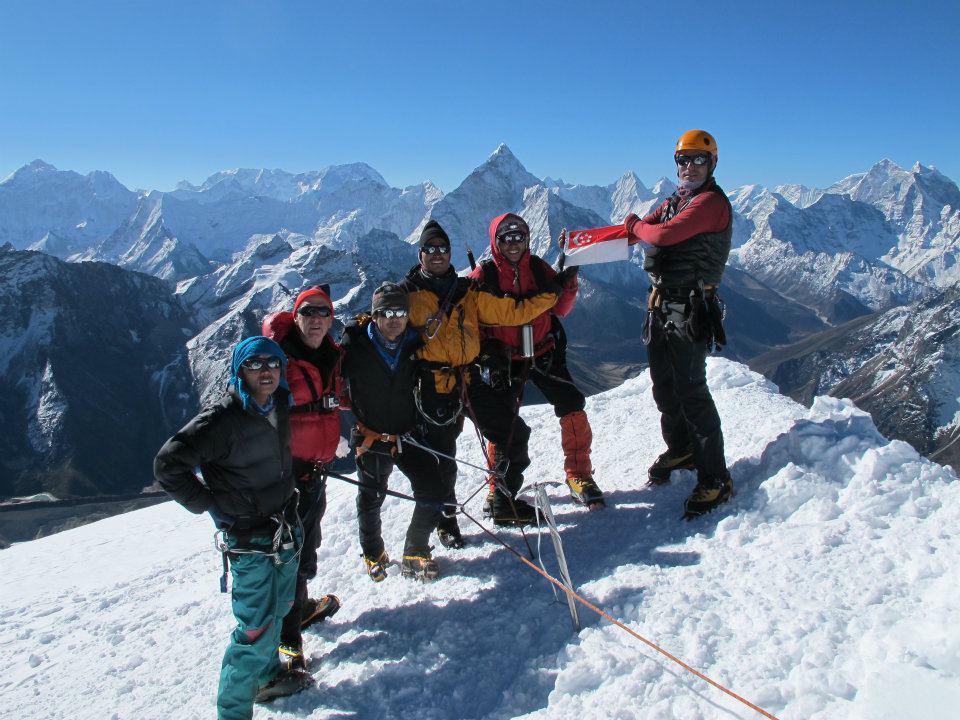

Everest Base Camp Island Peak Climbing is a complete Everest Region adventure that combines the classic Everest Base Camp trek with the summit of Island Peak (6,189m), Nepal’s most popular trekking peak for beginner mountaineers. This expedition follows the Khumbu trekking route through Namche Bazaar, Tengboche, Everest Base Camp, Kala Patthar, and Chhukung Valley before a guided glacier and fixed rope ascent to the Island Peak summit.
The trip is designed for trekkers seeking both high altitude trekking and a real Himalayan climbing experience in one itinerary. Along the route, climbers experience Sherpa culture, Sagarmatha National Park, Khumbu Glacier landscapes, and panoramic views of Mount Everest, Lhotse, Nuptse, Ama Dablam, Makalu, and Baruntse.
Unlike a standard Everest Base Camp trek, this expedition introduces alpine climbing skills, including crampon use, glacier travel, rope climbing, and summit ridge ascent under professional Sherpa guidance. With gradual acclimatization and structured climbing preparation, Everest Base Camp Island Peak Climbing is widely considered one of the best first Himalayan mountaineering expeditions in Nepal.
Everest Base Camp Island Peak Climbing is one of the best trekking peak expeditions in Nepal that combines the classic Everest Base Camp trek with the summit of Island Peak (Imja Tse) at 6,189 meters. This adventure follows the famous Everest Region trekking route through the Khumbu Region before ascending a Himalayan trekking peak using glacier travel, crampons, fixed rope climbing, and alpine climbing techniques.
Located near Chhukung Valley inside Sagarmatha National Park, Island Peak is Nepal’s most popular trekking peak for climbers looking for their first Himalayan mountaineering experience. The expedition combines Everest Base Camp acclimatization with a real summit push, making it an ideal transition from trekking to high altitude climbing.
Unlike the standard Everest Base Camp trek, this trip adds technical climbing sections, including crevasse crossing, glacier terrain, and summit ridge climbing. However, Island Peak is still considered suitable for strong beginners with good fitness and proper guidance from experienced Sherpa guides.
The route starts with a scenic Kathmandu to Lukla flight and passes through Namche Bazaar, Tengboche Monastery, Dingboche, Everest Base Camp, Kala Patthar, and Island Peak Base Camp before the final summit attempt. Trekkers experience Sherpa culture, Himalayan landscapes, and panoramic views of Mount Everest, Lhotse, Nuptse, Ama Dablam, Makalu, and Baruntse throughout the expedition.
This 17-day Everest Base Camp Island Peak climbing package is designed for adventure travelers seeking a complete Himalayan expedition with trekking, mountaineering, and cultural immersion in one journey.
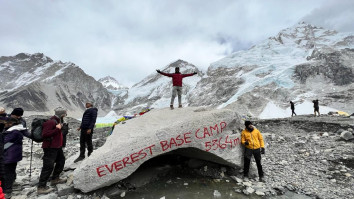
Reach Everest Base Camp (5,364m)
Summit Island Peak (6,189m)
Sunrise hike to Kala Patthar viewpoint
Scenic Lukla mountain flight
Trek through Sagarmatha National Park
Experience Sherpa villages and Buddhist culture
Visit Tengboche Monastery
Explore Khumbu Glacier and Khumbu Icefall
Glacier crossing and fixed rope climbing experience
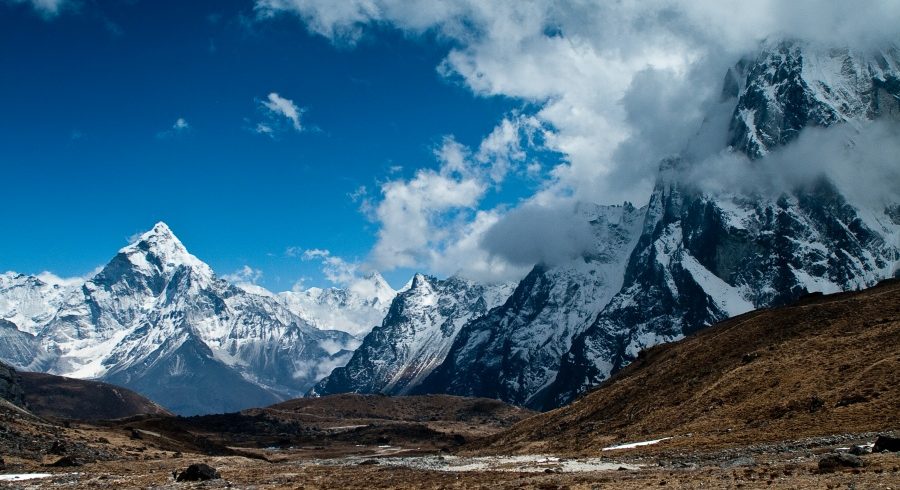
Stunning views of Mount Everest, Lhotse, Nuptse, Ama Dablam, Makalu, and Baruntse
Professional Sherpa climbing support throughout the expedition
Everest Base Camp with Island Peak Climbing is one of Nepal’s best beginner mountaineering expeditions because it combines gradual acclimatization with practical alpine climbing experience. The Everest Base Camp route naturally prepares trekkers for higher altitude climbing before the Island Peak summit push.
Compared to major Himalayan expeditions, Island Peak has a higher success rate and lower technical difficulty. Climbers gain experience with glacier travel, fixed rope climbing, ascenders, crampons, and mountaineering boots in a controlled trekking peak environment.
This expedition is ideal for trekkers planning future 7000m or 8000m climbs. The combination of Everest Base Camp acclimatization, Kala Patthar elevation gain, and Chhukung Valley preparation significantly improves summit readiness.
The expedition begins in Kathmandu with a flight to Lukla Airport, gateway to the Everest Region. The trekking route follows the Dudh Koshi Valley through Phakding and Namche Bazaar before entering higher alpine terrain.
After acclimatization in Namche Bazaar and Dingboche, trekkers continue toward Everest Base Camp and Kala Patthar for panoramic Everest views. The route then shifts toward Chhukung and Island Peak Base Camp, where climbing preparation and rope training take place.
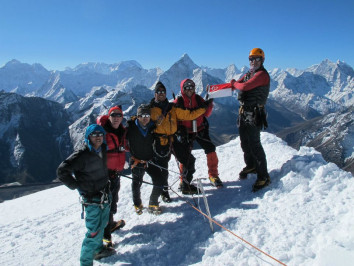
The summit push starts before midnight and involves glacier crossing, fixed rope climbing, steep snow slopes, and exposed summit ridge sections before reaching the top of Island Peak.
Arrive at Tribhuvan International Airport in Kathmandu, where our team welcomes you and transfers you to the hotel. Meet your trekking and climbing guide for a short expedition briefing before the trip begins.
Take an early scenic mountain flight from Kathmandu to Lukla, the gateway to the Everest Region. Begin trekking through Sherpa villages and green landscapes alongside the Dudh Koshi River before reaching Phakding. Views of Kusum Kanguru accompany the trail.
Follow the Dudh Koshi River while crossing several suspension bridges and passing Monjo at the entrance of Sagarmatha National Park. After a steep final climb, reach Namche Bazaar, the main Sherpa trading hub of the Khumbu Region.
Spend a rest and acclimatization day at Namche Bazaar to help your body adjust to the altitude. Hike to the Everest View Hotel for the first clear view of Mount Everest. Explore the Sherpa Culture Museum and local markets around Namche.
Descend to Phungi Thanga before climbing through rhododendron and pine forests to Tengboche. Enjoy panoramic views of Mount Everest, Lhotse, Nuptse, Ama Dablam, Thamserku, and Tawache. Visit the famous Tengboche Monastery.
Descend through forest trails and cross the Imja River before gradually ascending toward Dingboche. The trail passes open alpine landscapes with excellent mountain scenery and traditional settlements.
Take a high altitude acclimatization hike above Dingboche to Nagarjun Hill. Enjoy views of Lobuche East, Lobuche West, Taboche, Kangtega, Ama Dablam, and even Makalu on clear days before returning to Dingboche.
Trek gradually toward Thukla and continue to Thukla Pass, where memorials honor climbers lost during Everest expeditions. Continue across rugged alpine terrain to Lobuche.
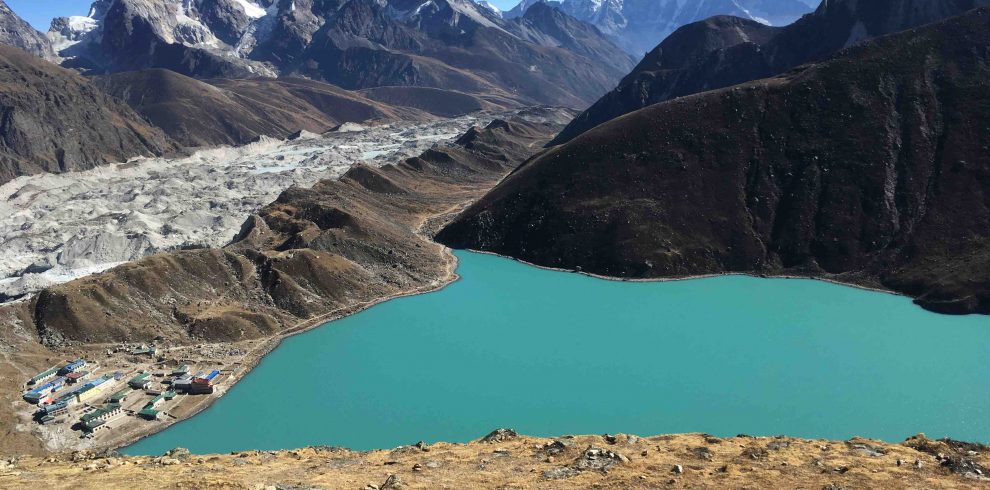
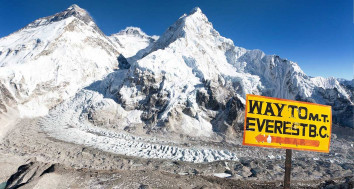
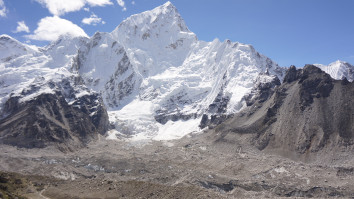
Trek through rocky moraines and glacier terrain toward Gorak Shep before continuing to Everest Base Camp. Enjoy close views of the Khumbu Icefall and surrounding Himalayan peaks before returning to Gorak Shep for the night.
Early morning hike to Kala Patthar, the best viewpoint for sunrise over Mount Everest. Enjoy spectacular panoramic views of Everest, Nuptse, and surrounding peaks before descending and trekking to Chhukung.
Trek from Chhukung to Island Peak Base Camp. After reaching camp, receive climbing training from experienced Sherpa guides, including rope techniques, gear usage, and basic glacier travel preparation.
Begin the summit push before dawn. Cross glacier terrain, crevasses, and fixed rope climbing sections before reaching the summit of Island Peak (Imja Tse). Enjoy breathtaking views of Everest, Lhotse, Nuptse, and Ama Dablam before descending back to Chhukung.
Extra reserve day for weather delays, acclimatization needs, or unexpected climbing conditions during the Island Peak expedition.
Descend through alpine valleys, Sherpa villages, and forest trails while losing significant elevation on the return journey to Namche Bazaar.
Continue descending through pine forests, villages, and suspension bridges along the Dudh Koshi Valley before reaching Lukla for the final overnight stay in the mountains.
Take an early morning scenic flight back to Kathmandu. Transfer to the hotel and enjoy free time in the city after completing the Everest Base Camp with Island Peak Climbing adventure.
Transfer to Tribhuvan International Airport for your international departure according to your flight schedule.
Island Peak stands at 6,189 meters (20,305 feet).
It is a moderate to challenging trekking peak expedition involving high altitude trekking and basic technical climbing.
Previous trekking or mountaineering experience is helpful but not mandatory.
Yes, physically fit beginners with proper acclimatization and guided support can successfully summit Island Peak.
The standard Everest Base Camp Island Peak itinerary takes 17 days including acclimatization and contingency days.
Everest Base Camp Island Peak Climbing is considered moderately difficult with both trekking and technical climbing components. The Everest Base Camp section mainly requires endurance for long walking hours and altitude adaptation, while Island Peak introduces glacier climbing and rope-assisted ascent.
The most challenging parts include summit day exposure, fixed rope climbing, and high altitude conditions above 6,000 meters. Climbers should expect 6–8 hours of trekking daily with a demanding 10–12-hour summit push.
Prior mountaineering experience is helpful but not mandatory. Strong physical fitness, mental resilience, and proper acclimatization are more important for summit success.
Acclimatization is critical during the Everest Base Camp Island Peak Climbing. The itinerary includes acclimatization days in Namche Bazaar and Dingboche to reduce the risk of Acute Mountain Sickness (AMS).
The climb high, sleep low strategy helps the body adapt gradually to decreasing oxygen levels. Hydration, proper nutrition, slow ascent pacing, and experienced guides all contribute to safer high altitude travel.
World Expedition Nepal also arranges emergency evacuation support and altitude monitoring during the expedition.
Spring (March to May) and autumn (September to November) are the best seasons for Everest Base Camp Island Peak Climbing.
Spring offers stable summit conditions, moderate temperatures, blooming rhododendron forests, and excellent visibility. Autumn provides dry trails, clear skies, and reliable weather for peak climbing.
Winter expeditions are colder with more snow accumulation, while the monsoon season brings cloud cover and difficult trail conditions.
This expedition requires several permits, including:
Island Peak Climbing Permit
Sagarmatha National Park Entry Permit
Khumbu Pasang Lhamu Rural Municipality Permit
World Expedition Nepal arranges all required climbing and trekking permits before the expedition.
Accommodation includes hotels in Kathmandu and teahouse lodges throughout the Everest Region. Island Peak Base Camp involves tent camping during the climbing section.
Meals include breakfast, lunch, and dinner during the trek with options such as dal bhat, noodles, soups, rice dishes, tea, coffee, and bakery items. Vegetarian food is widely available along the route.
Charging facilities, WiFi, hot showers, and laundry services are available in major villages like Namche Bazaar and Dingboche for an additional cost.
Essential climbing equipment includes:
Mountaineering boots
Crampons
Ice axe
Climbing harness
Ascender and carabiners
Helmet
Down jacket
Sleeping bag
Thermal clothing layers
Headlamp and gloves
World Expedition Nepal provides climbing guidance and rental assistance for technical equipment in Kathmandu.
Safety is a major priority during the expedition. Experienced Sherpa guides manage rope fixing, weather monitoring, glacier navigation, and summit coordination.
The expedition follows gradual acclimatization schedules to improve the Island Peak summit success rate. Helicopter evacuation support is available for altitude emergencies and injuries.
Most failed summit attempts result from poor acclimatization, weather changes, or insufficient physical preparation rather than technical difficulty.
The Everest Base Camp Island Peak climbing cost depends on group size, climbing services, accommodation standard, and seasonal demand.
The package generally includes:
Kathmandu hotel accommodation
Domestic Lukla flights
Teahouse accommodation
Meals during the trek
Climbing permits
Sherpa climbing guides
Porter services
Climbing training
Government taxes and logistics support
The cost excludes Nepal visa fees, international flights, travel insurance, personal expenses, tips, and extra accommodation caused by flight delays.
Private expeditions and helicopter return upgrades are available upon request.
Flights from Kathmandu to Lukla are the fastest access to the Everest Region. During peak seasons, flights may operate from Ramechhap Airport due to traffic congestion in Kathmandu.
Weather delays are common in the Himalayas, so extra buffer days are strongly recommended. Helicopter transfers are available as an alternative option.
Travel insurance is mandatory for this expedition. Policies must include:
High altitude coverage above 6,000 meters
Helicopter evacuation
Medical emergency support
Trekking and climbing coverage
Trip cancellation and delay coverage
Without proper insurance, rescue operations in the Everest Region can become extremely expensive.
The Everest Region is home to the Sherpa community, known worldwide for Himalayan mountaineering expertise. Trekkers pass traditional villages, Buddhist monasteries, prayer flags, mani walls, and chortens throughout the expedition.
Tengboche Monastery is one of the spiritual highlights of the trek. The journey also passes through Sagarmatha National Park, a UNESCO World Heritage Site rich in alpine forests, glaciers, and Himalayan wildlife, including Himalayan Tahr, Musk Deer, Danphe, and Snow Leopard habitat.
Island Peak is more technical than Mera Peak but less technical than Lobuche Peak. Compared to the Everest Three Passes Trek, Island Peak provides a real glacier climbing and mountaineering experience rather than purely trekking difficulty.
For beginners seeking their first Himalayan summit, Everest Base Camp with Island Peak is often the best balance between adventure, acclimatization, and climbing progression.
World Expedition Nepal operates professionally guided Everest Region expeditions with experienced Sherpa climbing guides, safe itineraries, and personalized support.
Our Everest Base Camp Island Peak package includes gradual acclimatization, climbing training, reliable logistics, quality equipment support, and small group management focused on safety and summit success.
We prioritize responsible Himalayan tourism while supporting local Sherpa communities and sustainable trekking practices in the Everest Region.
Enjoy the popular trekking and tour packages in Nepal Himalayas. 2026.




 Everest Region , Nepal
 ( 5 ) 6 Reviews
 9 Days
 US$1650

© 2011 - 2026 All rights reserved. World Expedition Nepal Developed By : Xenatech Nepal
 Recommended On